


Titanium 6Al-4V ELI Review
Titanium 6Al-4V ELI represents a critical material choice for medical device manufacturers who just need exceptional biocompatibility without compromising strength.
Standard Grade 5 titanium doesn’t match this Extra Low Interstitial variant’s superior fracture toughness and improved ductility that affects patient safety in surgical implants and joint replacements. Ti-6Al-4V ELI’s refined composition features reduced oxygen and iron content while maintaining a strong tensile strength of 860 MPa and yield strength of 790 MPa. This alpha-beta wrought alloy performs well in demanding environments, from surgical implants to cryogenic vessels operating at temperatures down to -320°C.
This review gets into why titanium 6Al 4V ELI has become the preferred choice for medical applications. We’ll learn about its material properties, biocompatibility advantages, and real-life performance in critical healthcare devices.
What Is Ti-6Al-4V ELI (Grade 23) AndHow It Differs From Grade 5
Grade 23 titanium undergoes a rigorous production process with vacuum arc primary melting followed by a second vacuum arc remelting operation. This dual-melting approach produces the Extra Low Interstitial designation by carefully selecting ingot raw materials with lower specified limits on iron and the interstitial elements carbon and oxygen.
Chemical Composition: Lower Interstitial Elements
The key difference between ti-6al-4v ELI and standard Grade 5 lies in the reduction of oxygen content to 0.13% maximum in Grade 23. Both alloys share the same base composition of titanium (balance), aluminum (5.5-6.5%), and vanadium (3.5-4.5%), but Grade 23 enforces stricter purity limits. Iron content drops to 0.25% maximum compared to Grade 5’s 0.4% ceiling. Nitrogen levels decrease from 0.05% in Grade 5 to 0.03% maximum in the ELI variant. Carbon remains controlled at 0.08% maximum for both grades, yet Grade 23’s tighter overall interstitial control substantially affects mechanical behavior.
Physical and Mechanical Properties Comparison
Ti 6al-4v eli exhibits a density of 4.43 g/cm³ and elastic modulus ranging from 105 to 113.8 GPa. The alloy achieves tensile strength between 860-930 MPa and yield strength of 790-850 MPa[82]. Standard Grade 5 delivers higher ultimate tensile strength of 1000 MPa and yield strength reaching 910 MPa. Grade 23 compensates with superior elongation at 15% compared to Grade 5’s 10-14% and provides improved ductility for demanding applications.
The ELI grade demonstrates better damage tolerance with improved fracture toughness and fatigue crack growth rate. Properties of titanium 6al4v eli welds, including ductility and impact strength, perform substantially better than standard grade Ti-6Al-4V welds. Grade 23 exhibits better mechanical properties at cryogenic temperatures.
ASTM F136 Certification Standards
ASTM F136 specification covers the chemical and mechanical requirements for wrought annealed titanium 6al 4v eli alloy (UNS R56401) used in surgical implant manufacture. The standard mandates minimum tensile strength of 860 MPa, yield strength of 795 MPa, and elongation of at least 10%. Both tension and bend tests must be performed to meet specified requirements and ensure material consistency and biocompatibility through controlled extra low interstitial levels.
Why Medical Device Manufacturers Choose Grade 23 Over Grade 5
Medical professionals use ti-6al-4v for applications where material failure poses direct risks to patient safety. The reduced interstitial content translates into measurable performance advantages that standard Grade 5 cannot match in critical biomedical environments.
Better Fracture Toughness for Critical Applications
Grade 23 provides 20-30% higher fracture toughness compared to standard ti-6al-4v while maintaining similar tensile strength. The ELI designation achieves fracture toughness values exceeding 75 MPa√m and positions it between aluminum alloys and steels for damage tolerance. This superior crack resistance proves essential when toughness becomes the priority design criterion. Microstructures with greater amounts of lamellar alpha plus beta phases demonstrate the highest toughness levels. Titanium 6al4v eli becomes suitable for fracture-critical components where crack propagation could lead to catastrophic failure.
Increased Ductility in Surgical Implants
The Extra Low Interstitial composition delivers a 10-15% increase in ductility and reduces brittleness by a lot in dynamic loading conditions. Clinical evidence from spinal applications demonstrates this advantage. ELI implants showed a 25% lower fracture rate compared to standard alloy. Pedicle screws and rods manufactured from ti 6al-4v eli endure repetitive flexion and extension cycles more reliably and affect long-term implant survival rates.
Superior Biocompatibility Due to Reduced Oxygen and Iron
Lower oxygen and iron levels boost tissue acceptance and minimize adverse reactions. The reduction from 0.13% to 0.10% maximum oxygen content, combined with decreased iron contamination, improves integration with bone tissue and reduces inflammatory responses. Body fluids create chloride-rich environments with pH ranges from 7.4 to acidic conditions. Titanium 6al 4v eli remains highly immune to corrosion through its stable oxide film formation.
High-Cycle Fatigue Resistance in Long-Term Implants
Grade 23 exhibits fatigue strength of around 500 MPa at 10⁷ cycles. Smooth specimens demonstrate fatigue limits between 400-700 MPa under axial loading. This high-cycle performance ensures structural reliability for implants experiencing millions of stress cycles annually.

Material Properties
Performance in Medical Applications
Performance characteristics of titanium 6al-4v eli in biological environments come from three interconnected material properties that directly influence implant longevity and patient outcomes.
Corrosion Resistance in Body Fluids
Ti-6al-4v forms a protective titanium oxide layer 1-5 nm thick upon exposure to oxidizing environments. This passive film regenerates almost instantly when damaged in oxygenated conditions and provides continuous protection against the aggressive biological environment. Body fluids present chloride-rich conditions with pH values from 7.4 down to acidic levels, yet titanium 6al 4v eli demonstrates exceptional resistance. The oxide layer acts as an ion-conducting barrier that inhibits redox reactions and controls interactions between the alloy surface and biological macromolecules.
Strength-to-Weight Ratio Benefits
Titanium’s density of about 4.5 g/cm³ is half that of steel or cobalt alloys. This low density reduces overall load and movement inertia on the human body when implants are used. Ti 6al-4v eli exhibits an elastic modulus around 110 GPa, closer to cortical bone’s 10-30 GPa range compared to stainless steel’s 200 GPa, and this minimizes stress shielding effects.
Osseointegration and Tissue Compatibility
Bone tissue can adhere and grow directly on titanium surfaces and achieve complete osseointegration over time. This biomedical property enables devices to integrate with bone tissue while remaining non-toxic and preventing harmful substance release.

Real-World Applications: Where Grade 23 Titanium Excels
Clinical deployment of ti-6al-4v spans multiple medical specialties where long-term reliability determines patient outcomes.
Orthopedic Implants and Joint Replacements
Hip stems and knee components use titanium 6al-4v eli for load-bearing performance. Pedicle screws, interbody fusion devices, and trauma fixation hardware achieve success rates above 90% over 15-year periods. JHMIM is the only manufacturer in China offering MIM, SLM 3D Printing, and CNC Machining under one roof. This allows smooth transitions from prototyping to mass production for complex orthopedic components.
Dental Root Implants and Maxillofacial Devices
Dental implant fixtures manufactured from ti 6al-4v eli demonstrate 95% success rates. Abutments and prosthetic attachments support thin-walled designs below 0.5mm thickness. Craniofacial plates and maxillofacial reconstructive hardware benefit from the alloy’s non-magnetic properties to ensure MRI compatibility.
Surgical Clips and Bone Fixation Hardware
Surgical clips, bone plates, and screws use titanium 6al 4v eli’s biocompatibility for temporary and permanent fixation.
Cryogenic Vessels for Medical Storage
Cryogenic vessels that maintain temperatures down to -253°C use Grade 23’s exceptional low-temperature ductility.
Fracture-Critical Airframe Components
Aerospace applications employ ti-6al-4v for fracture-critical airframe structures that require superior damage tolerance.

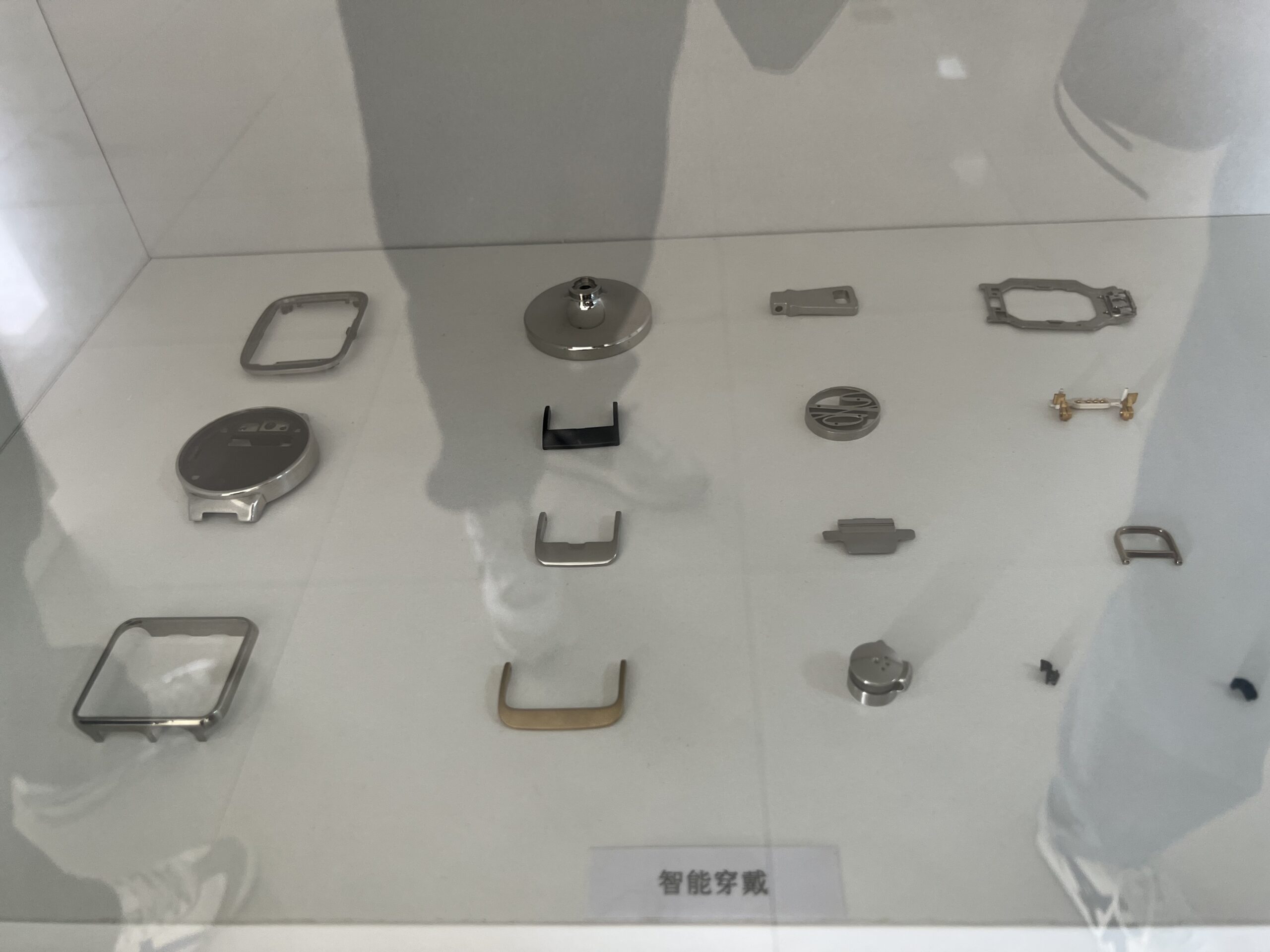

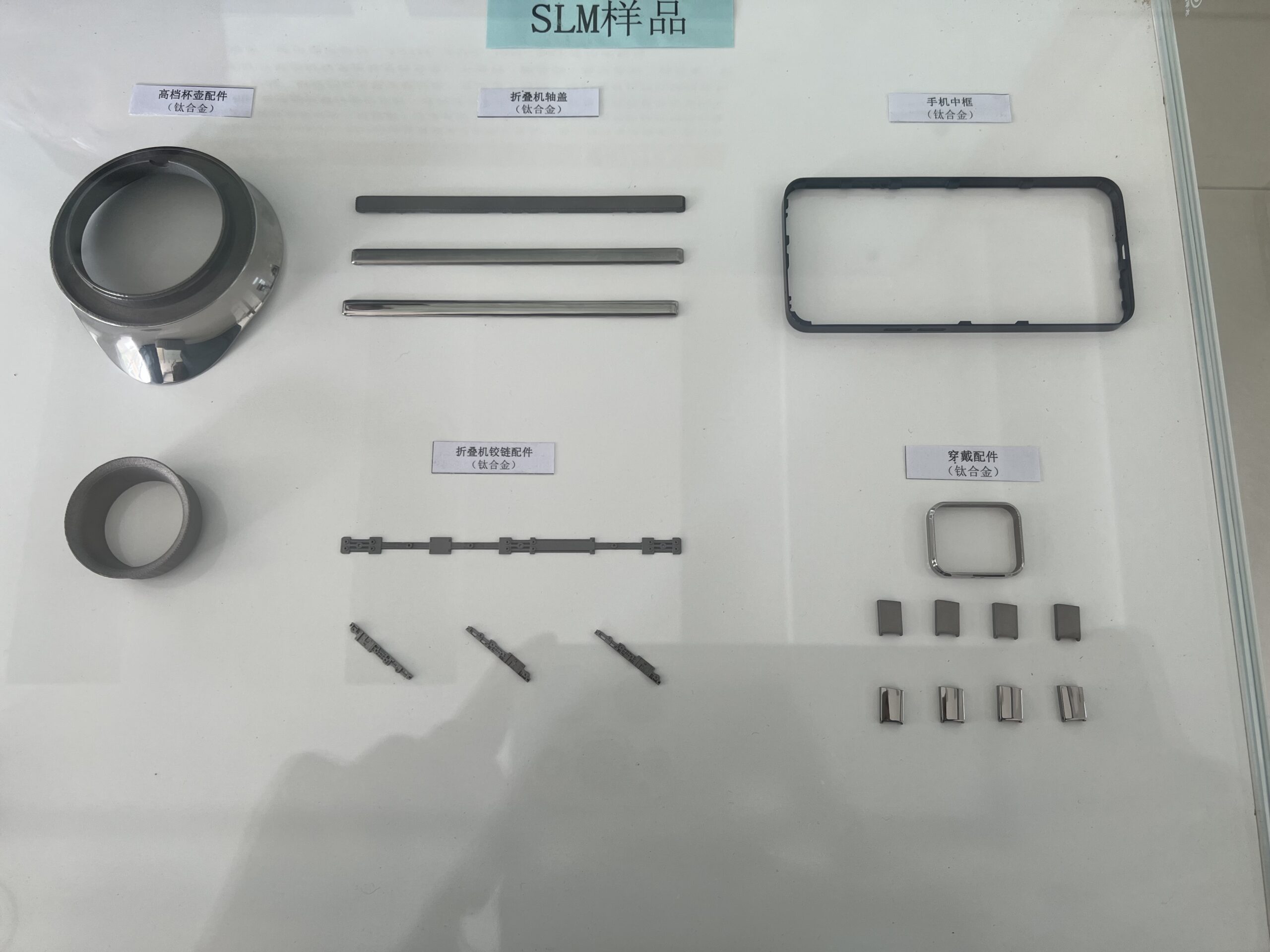
Wanna dig deeper in Titanium product processing?
A Brief Self-Nomination
Our titanium 3D printing services stand out in the market for their superior quality, cutting-edge technology, and comprehensive customer support. Specializing in high-precision titanium prints, we ensure top-tier results for every project.
Conclusion
Grade 23 titanium delivers advantages for medical applications where patient safety cannot be compromised. The extra processing cost translates into superior fracture toughness, better ductility, and improved biocompatibility as opposed to standard Grade 5. JHMIM is the only manufacturer in China offering MIM and SLM 3D Printing under one roof, enabling uninterrupted transitions from prototyping to mass production for complex orthopedic components. Medical device manufacturers find this investment worthwhile for implantable devices.
The FAQs
What makes Ti-6Al-4V ELI different from standard Ti-6Al-4V?
Ti-6Al-4V ELI (Extra Low Interstitial) features reduced oxygen content (0.13% maximum vs. 0.20% in standard grade) and lower iron levels (0.25% vs. 0.4%). This results in superior fracture toughness, enhanced ductility with 15% elongation compared to 10-14%, and better damage tolerance. The ELI variant also performs exceptionally well at cryogenic temperatures and is specifically certified under ASTM F136 for surgical implant applications.
Is Grade 5 titanium the same as 6Al-4V?
Yes, Grade 5 titanium is the common designation for Ti-6Al-4V alloy. Both terms refer to the same base composition containing titanium (balance), aluminum (5.5-6.5%), and vanadium (3.5-4.5%). However, Grade 23 represents the Extra Low Interstitial version of this alloy with stricter purity requirements, making it the preferred choice for medical implants over standard Grade 5.
Why do medical manufacturers prefer Grade 23 over Grade 5 for implants?
Grade 23 offers 20-30% higher fracture toughness, 10-15% increased ductility, and superior biocompatibility due to reduced oxygen and iron content. Clinical evidence shows 25% lower fracture rates in spinal implants compared to standard alloy. The enhanced fatigue resistance of approximately 500 MPa at 10⁷ cycles ensures reliability for implants experiencing millions of stress cycles annually, directly impacting patient safety and long-term implant survival.
What are the main applications of Grade 23 titanium in healthcare?
Grade 23 titanium excels in orthopedic implants including hip stems, knee components, and spinal fusion cages with success rates exceeding 90% over 15 years. It's widely used in dental root implants (95% success rate), pedicle screws, bone plates, surgical clips, and maxillofacial reconstructive hardware. The alloy is also employed in cryogenic vessels for medical storage operating at temperatures down to -253°C.
How does Grade 23 titanium resist corrosion in the body?
Ti-6Al-4V ELI spontaneously forms a protective titanium oxide layer measuring 1-5 nm thick upon exposure to body fluids. This passive film regenerates almost instantaneously when damaged, providing continuous protection against the aggressive biological environment. Despite chloride-rich conditions and pH variations in body fluids, the oxide layer acts as an ion-conducting barrier that inhibits redox reactions and ensures exceptional corrosion resistance.
SEND INQUIRY
Send us your drawings and get a free 3D printed sample!
Experience zero-cost innovation and turn your ideas into reality!
mim@jhmimtech.com
