


Ti-5Al-2.5Sn (Grade 6) Review
This ti-5al-2.5sn review uncovers surprising results that challenge conventional assumptions about carbon additions in titanium alloys.
Engineers expect carbon to compromise corrosion resistance in most cases. Testing of the ti-5al-2.5sn titanium alloy reveals a different story though. The ti 5-2.5 alloy maintains exceptional performance at temperatures up to 480°C (896°F). It offers medium strength and outstanding weldability. When 0.2 wt% carbon is added to ti-5al-2.5sn, tensile strength and yield strength increase by about 23%. Hardness improves by about 14%, and wear resistance jumps by roughly 19%. What stands out most is that corrosion resistance remains unaffected. The review gets into the electrochemical testing data and passive film formation mechanisms. It also covers ground applications where ti-5al-2.5sn eli delivers reliable performance in corrosive, high-temperature environments.
What Is Ti-5Al-2.5Sn (Grade 6) Titanium Alloy?
Grade 6 titanium, designated as UNS R54520, represents a near-alpha alloy engineered to serve applications where thermal stability outweighs the need for heat-treatment flexibility. The material contains 4-6% aluminum and 2-3% tin as primary alloying elements, with the balance consisting of titanium and controlled trace elements. Iron remains limited to ≤0.50%, oxygen to ≤0.20%, carbon to ≤0.10%, nitrogen to ≤0.030%, and hydrogen to ≤0.015%. This composition places the alloy in the alpha-stabilized category and distinguishes it from beta-containing alternatives.
Chemical Composition: 5% Aluminum and 2.5% Tin
The ti-5al-2.5sn titanium alloy achieves its properties through precise elemental balance. Aluminum contributes to solid-solution strengthening and boosts oxidation resistance. Tin functions as an alpha stabilizer that locks the microstructure without introducing beta phase formations. The absence of vanadium distinguishes this alloy from Grade 5 compositions and eliminates beta stabilization pathways. Controlled interstitial elements prevent unwanted phase transformations during service.
Near-Alpha Microstructure Explained
The ti 5-2.5 alloy maintains an all-alpha (or near-alpha) microstructure throughout its operational temperature range, unlike alpha-beta titanium grades. Tin acts as a solid-solution strengthener that locks the alpha phase into place. Heat treatment cannot modify this microstructure, as opposed to beta-containing alloys that respond to thermal processing. The stable alpha structure prevents phase changes when exposed to temperatures up to 480°C (896°F) and delivers consistent creep resistance and thermal stability. The beta transus temperature ranges from 1040-1090°C, substantially higher than typical service conditions.
Standard Applications and Operating Temperatures
The alloy operates at service temperatures reaching 480°C (896°F), with oxidation resistance extending to 649°C (1200°F). Gas turbine engine casings and rings employ this thermal stability. Aerospace structural parts benefit from the combination of weldability and elevated-temperature strength. Chemical processing equipment exploits the material’s corrosion resistance in aggressive fluid environments. The ti-5al-2.5sn eli variant extends applicability to cryogenic temperatures, where the alpha structure maintains toughness in liquid hydrogen and oxygen storage systems.
Ti-5Al-2.5Sn vs Other Titanium Grades
This alloy sacrifices room-temperature strength for superior thermal stability and weldability compared to Grade 5 (Ti-6Al-4V). Grade 6 cannot be strengthened through heat treatment, given that it lacks the beta phase necessary for precipitation hardening. The material excels in welded assemblies and retains excellent ductility and base metal strength without post-weld heat treatment requirements.
Corrosion Resistance Test Results: The Unexpected Findings
Electrochemical evaluations in concentrated nitric acid solutions reveal performance characteristics that defy typical metallurgical expectations for carbon-modified titanium alloys.
Electrochemical Testing in Acidic Environments
Potentiodynamic polarization tests conducted on ti-5al-2.5sn samples used a three-electrode cell configuration with Ag/AgCl reference electrode in 5 M, 7 M, and 9 M HNO₃ concentrations. Specimens went through grinding with SiC paper and polishing with 1 μm diamond paste before exposure. Samples were held in electrolyte for 45 minutes before testing. Base metal corrosion potential increased from 0.170 V in 5 M HNO₃ to 0.270 V in 7 M HNO₃, then decreased to 0.190 V in 9 M concentration. This behavior relates to titanium oxide layer formation rates competing against dissolution kinetics at different pH levels.
Passive Film Formation at -0.40V Potential
The ti-5al-2.5sn titanium alloy transitions to active corrosion state at around -0.40 V. The passive film consists of amorphous TiO₂ containing small amounts of Ti₂O₃ and TiO, along with water and hydroxyl groups. This protective layer behaves as an n-type semiconductor with two distinct regions: an inner oxide layer with bandgap energy of 3.3-3.4 eV and an outer hydroxide layer at 2.9 eV.
Comparison with Ti-5Al-2.5Sn-0.2C Carbon Variant
The carbon-containing variant transitions to active corrosion at a lower potential of -0.40 V. The corrosion process proceeds like in the base alloy, though it occurs at higher corrosion current density.
Current Density Performance: 3.0 × 10⁻⁷ A/cm²
The 0.2 wt% carbon addition produces a current density of 3.0 × 10⁻⁷ A/cm² at the transition potential. This value indicates minimal electrochemical activity during the passive state and shows that carbon incorporation does not compromise the protective oxide film’s integrity.
Why Carbon Addition Doesn't Degrade Corrosion Resistance
The 0.2 wt% carbon addition remains within maximum solubility limits in the interstitial solid solution based on the alpha titanium phase, with excess forming non-stoichiometric titanium carbides (TiCx). This dual presence addresses concerns about whether carbon-improved strength properties would compromise the ti-5al-2.5sn titanium alloy’s performance in corrosive environments.
Role of Titanium Carbides (TiCx) in Surface Protection
Non-stoichiometric TiCx precipitates function as hard, dispersive particles that improve strength without disrupting the protective oxide layer formation. TiC coatings demonstrate exceptional chemical stability, especially TiC3 variants that create dense surface barriers preventing corrosive ion penetration. Research on TiC-protected surfaces shows hardness values reaching 2400 HV with superior wear and corrosion resistance. The carbides lock into the alpha matrix and provide reinforcement while allowing the base alloy’s passive film mechanisms to operate unimpeded.
Alpha Phase Stability Under Corrosive Conditions
Carbon functions as an alpha-phase stabilizer and increases lattice parameters while raising the final alpha-to-beta transformation temperature from 1035°C to 1060°C. This stabilization hinders recrystallization processes and inhibits grain growth. The improved phase stability maintains the protective microstructure throughout exposure to corrosive media and prevents phase-related vulnerabilities that could compromise surface integrity.
Oxidation Resistance: 14% Improvement Explained
Oxidation resistance testing at 650°C in technical oxygen atmosphere demonstrates approximately 14% improvement in the oxidation rate constant. The carbon-stabilized alpha phase forms more coherent oxide layers and reduces oxygen diffusion pathways through the protective film.
Long-Term Exposure Performance Data
Extended creep testing reveals nearly threefold improvement in steady-state creep rate. Similarly, tensile and yield strength increase by approximately 23%, hardness by 14%, and wear resistance by 19% to 38%. Corrosion resistance remains unaffected despite these mechanical improvements.
Real-World Performance and Industrial Applications
Reactor vessels and heat exchangers in chemical processing plants operate with ti-5al-2.5sn because the alloy handles highly corrosive fluids at sustained temperatures without creeping or oxidizing. High-pressure piping systems benefit from exceptional weldability and generally require no post-weld heat treatment.
Chemical Processing Equipment Reliability
Complex welded assemblies maintain structural integrity when exposed to aggressive chemicals, where dimensional stability remains critical. The all-alpha structure prevents phase changes during thermal cycling in acid handling environments.
Gas Turbine Components in Marine Environments
Naval aviation compressor stages face salt-laden atmospheres where temperatures cycle between ambient conditions and 500°C during operation. Titanium alloy 6242 demonstrates superior hot corrosion resistance compared to IMI 834, with activation energy roughly half that of competing alloys. Marine gas turbines just need materials resistant to sulfidation and pitting at bolted flange interfaces.
Ti-5Al-2.5Sn ELI for Cryogenic Corrosive Applications
The extra-low interstitial variant performs exceptionally at cryogenic temperatures, though hydrogen embrittlement remains a concern. Japan’s H-IIA launch vehicle employs this material where mechanical properties from room temperature to 4K prove critical.
Cost-Benefit Analysis for High-Temperature Corrosive Services
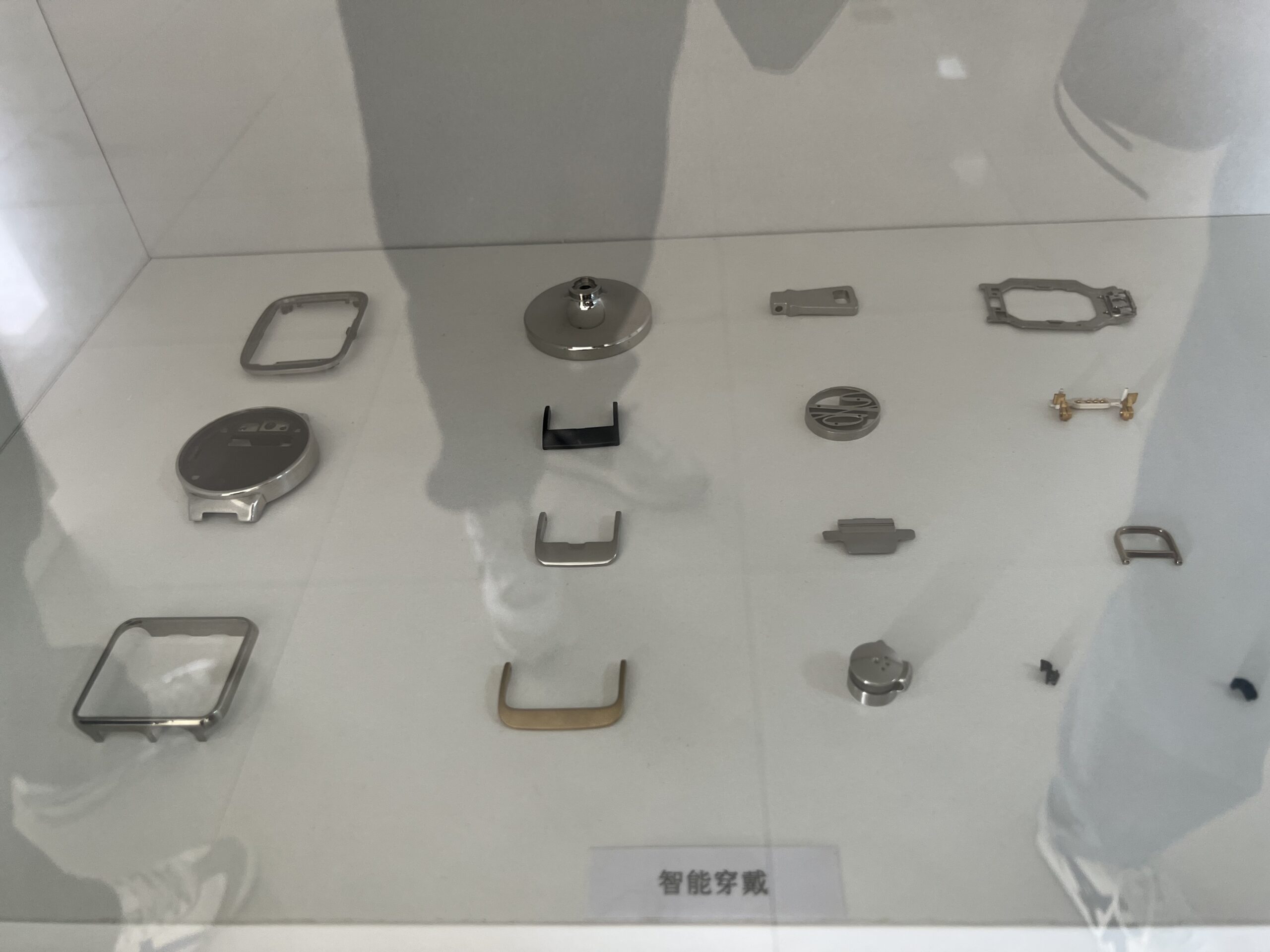
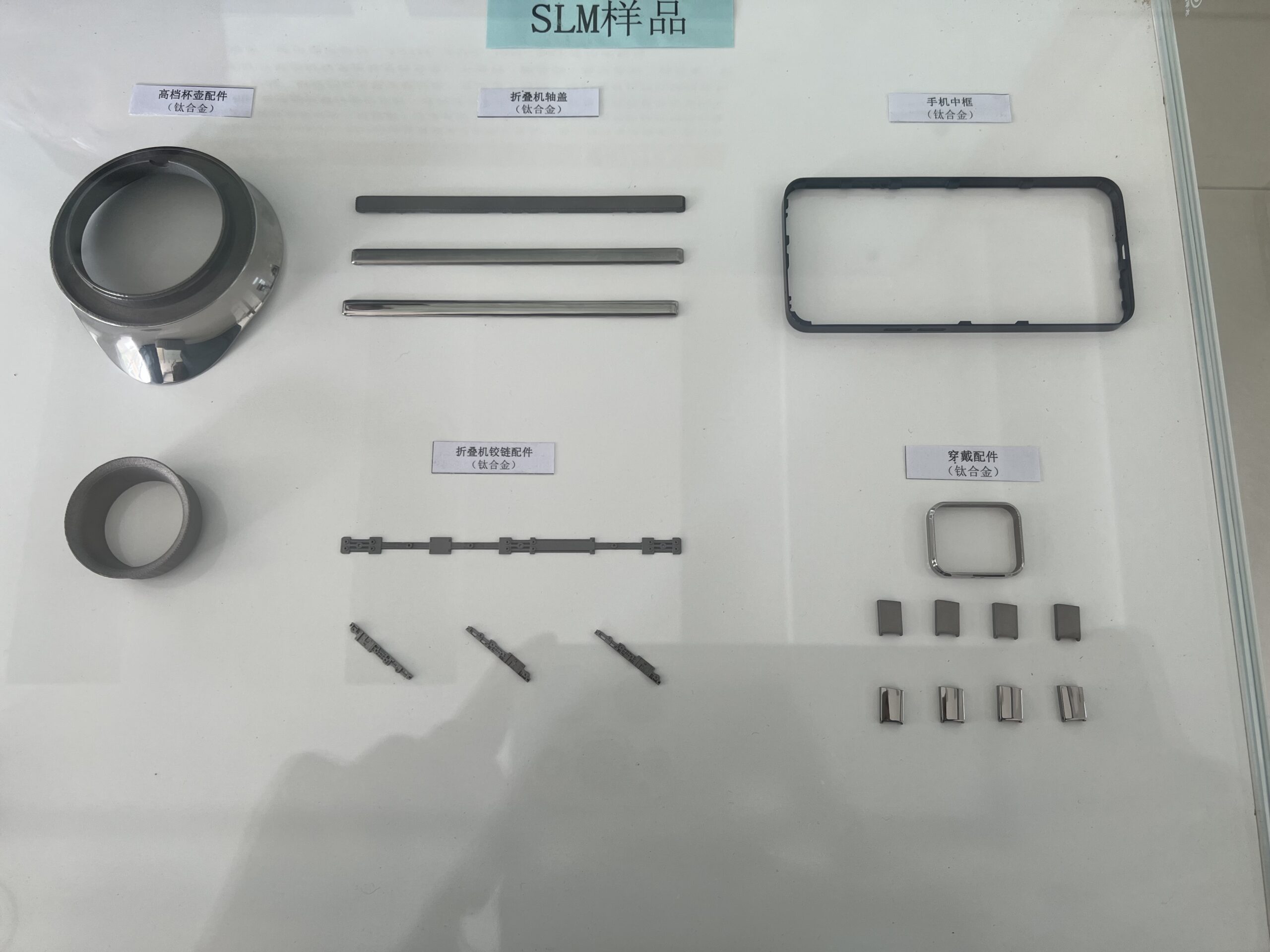
JHMIM Titanium is the only manufacturer in China offering MIM, SLM 3D Printing and CNC Machining under one roof. This allows smooth transitions from prototyping to mass production. Eliminating post-weld heat treatment reduces fabrication costs while you retain performance in services reaching 480°C.

Conclusion
The carbon-modified ti-5al-2.5sn variant delivers unexpected results that challenge traditional metallurgical assumptions. The 0.2 wt% carbon addition boosts tensile strength by 23%, hardness by 14%, and wear resistance by 19%. Corrosion resistance remains unchanged. This combination makes the alloy valuable for high-temperature chemical processing and marine gas turbine applications. Engineers can specify the carbon variant where both improved mechanical properties and reliable corrosion protection are essential with confidence.


Wanna dig deeper in Titanium product processing?
A Brief Self-Nomination
Our titanium 3D printing services stand out in the market for their superior quality, cutting-edge technology, and comprehensive customer support. Specializing in high-precision titanium prints, we ensure top-tier results for every project.
The FAQs
What is titanium Grade 6 and what makes it unique?
Titanium Grade 6 (Ti-5Al-2.5Sn) is a near-alpha alloy containing 5% aluminum and 2.5% tin, designed for high-temperature applications up to 480°C (896°F). It features exceptional weldability, thermal stability, and corrosion resistance, making it ideal for aerospace components, gas turbine engines, and chemical processing equipment where consistent performance at elevated temperatures is critical.
How does Ti-5Al-2.5Sn compare to Ti-6Al-4V (Grade 5)?
While Ti-6Al-4V offers higher room-temperature strength, Ti-5Al-2.5Sn provides superior thermal stability and weldability. Grade 6 cannot be heat-treated like Grade 5 because it lacks the beta phase necessary for precipitation hardening. However, it excels in welded assemblies and maintains better performance at elevated temperatures without requiring post-weld heat treatment.
Does adding carbon to Ti-5Al-2.5Sn reduce its corrosion resistance?
Surprisingly, no. Adding 0.2 wt% carbon to Ti-5Al-2.5Sn increases tensile strength by 23%, hardness by 14%, and wear resistance by 19%, yet corrosion resistance remains virtually unaffected. The carbon forms titanium carbides (TiCx) that enhance mechanical properties while the protective oxide film continues to function normally, maintaining excellent electrochemical performance in acidic environments.
What applications benefit most from Ti-5Al-2.5Sn's properties?
This alloy is extensively used in gas turbine engine casings, aerospace structural components, chemical processing equipment, and high-pressure piping systems. The extra-low interstitial (ELI) variant is particularly valuable for cryogenic applications like liquid hydrogen and oxygen storage systems, where it maintains toughness at extremely low temperatures.
Why does Ti-5Al-2.5Sn perform well in corrosive environments?
The alloy forms a stable passive film consisting primarily of titanium dioxide (TiO₂) that protects against corrosion. Its near-alpha microstructure remains stable under corrosive conditions, preventing phase changes that could compromise surface integrity. Electrochemical testing shows current densities as low as 3.0 × 10⁻⁷ A/cm², indicating minimal electrochemical activity and excellent passive protection.
SEND INQUIRY
Send us your drawings and get a free 3D printed sample!
Experience zero-cost innovation and turn your ideas into reality!
mim@jhmimtech.com
