

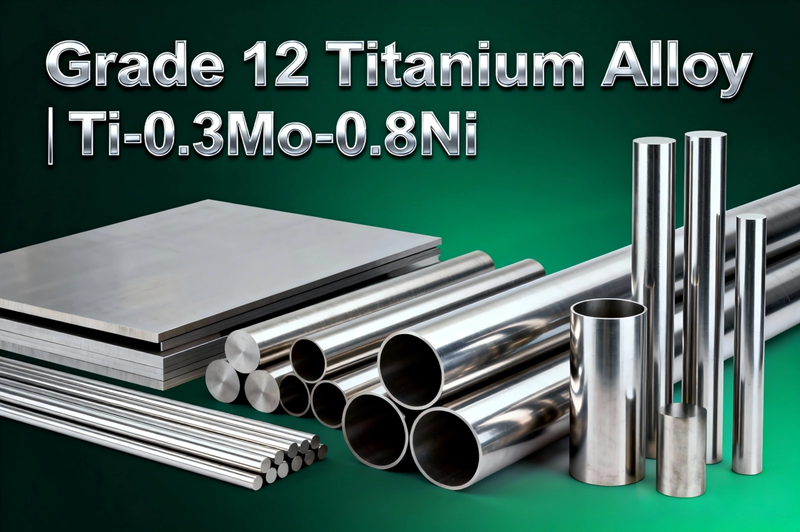
Ti-0.3Mo-0.8Ni Grade 12 Review
This Ti-0.3Mo-0.8Ni Grade 12 review gets into a commercially pure titanium alloy that stands out for one critical reason: it resists corrosion in environments that destroy most metals, including wet chlorine gas and hot brine.
Ti Grade 12 achieves a tensile strength of 550 MPa (79,800 psi) coupled with a yield strength of 380 MPa (55,100 psi) [-4]. This makes it stronger than unalloyed titanium while maintaining weldability. The alloy’s 0.3% molybdenum and 0.8% nickel additions target crevice corrosion and pitting resistance in chloride environments.
Engineers thinking about this material for chemical processing applications will find detailed corrosion testing data and mechanical property comparisons with alternative titanium grades to determine if Grade 12 delivers the performance their projects just need.
What Is Ti-0.3Mo-0.8Ni Grade 12 and Who Needs It?
Chemical Composition: 0.3% Mo and 0.8% Ni Additions
Grade 12 titanium carries the UNS designation R53400 and meets ASTM Grade 12 specifications. The alloy’s composition consists of titanium as the base material with controlled additions of molybdenum (0.2-0.4%) and nickel (0.6-0.9%). These additions distinguish it from commercially pure grades and target improved repassivation kinetics in corrosive environments.
The complete chemical specification limits iron to 0.30% maximum, oxygen to 0.25% maximum, and carbon to 0.08% maximum. Nitrogen stays at 0.03% maximum, and hydrogen at 0.015% maximum. Titanium forms the remainder and comprises 97.6 to 99.2% of the total composition. Engineers often classify this material as a lean titanium alloy rather than a heavily alloyed grade. This explains why it retains commercially pure titanium‘s formability characteristics.
Core Applications in Chemical Processing
Chemical processing plants deploy Ti Grade 12 in shell and tube heat exchangers, pressure vessels, and hydrometallurgical operations. The material serves especially well in equipment handling hot brines, chlorine gas, and reducing acid environments where crevice corrosion threatens equipment integrity.
Pumps, valves, pipes, and fittings fabricated from this grade operate in medium reducing or variable oxidizing-reducing media with good results. It’s worth mentioning that the material requires caution when solutions drop below pH 3. Grade 12 receives approval for ASME Boiler and Pressure Vessel Code applications under Section VIII Division 1 and Division 2, plus Section XII, with a maximum temperature limit of 600°F. However, it’s not permitted for Section I and Section III services.
How It Compares to Grade 2 Titanium
The two grades share 99% of their average alloy composition. Grade 12 incorporates molybdenum and nickel where Grade 2 contains neither. This modification delivers superior crevice corrosion and under-deposit crevice corrosion protection. The cost difference stands at 15%, with Grade 2 priced at $13.34 per pound versus Grade 12 at $15.07 per pound.
Grade 12’s higher strength permits engineers to specify thinner wall sections for equivalent pressure ratings. At 300°F and 300 psi, Grade 2 requires 1.53 inches calculated thickness (1.75 inches nominal). Grade 12 achieves the same rating with 1.14 inches calculated thickness (1.25 inches nominal). This reduction in material volume can offset the higher per-pound cost in large fabrication projects.
Real-World Corrosion Testing: 12-Month Exposure Results
Test Environment Setup: Hot Brine and Reducing Acids
Laboratory testing protocols exposed Ti Grade 12 specimens to saturated sodium chloride brines across temperature ranges from 70°C to 316°C while varying pH levels from 1 to 14. The test matrix included sharp crevice configurations formed between metal-to-metal and metal-to-PTFE interfaces to simulate ground gasket joints and tube-to-tubesheet connections. Reducing acid environments used boiling hydrochloric acid solutions at concentrations up to 3% to review performance in chemical processing conditions.
Crevice Corrosion Performance Data
Ti-0.3Mo-0.8Ni showed no crevice corrosion in neutral saturated brines at temperatures exceeding 600°F (316°C) during laboratory exposure. Unalloyed Grade 2 titanium experiences crevice attack at approximately 200°F (93°C) in near-neutral brine, with susceptibility below 158°F (70°C) considered unlikely. Grade 12 expressed a two-day incubation period before isolated pitting appeared at 150°C in neutral 0.27 mol/L NaCl, whereas Grade 2 showed active dissolution immediately upon heating with negligible incubation. The maximum penetration depth reached 381 μm for Grade 12, approximately three orders of magnitude lower than Grade 2 under similar conditions.
Pitting Resistance in Chloride Solutions
The alloy maintains pH flexibility above 2 and operates safely to 464°F (240°C), whereas Grade 2 remains vulnerable to crevice corrosion even at pH 2. Tests at 120°C revealed 97% of crevice propagation driven by proton reduction inside creviced areas rather than external oxygen reduction.
Stress Corrosion Cracking Test Results
Wedge-loaded double-cantilever-beam specimens tested in deaerated acidic brine (pH 2.70) at 90°C showed Grade 12 expressed lower average crack growth than Alloy C-22.
Performance in Wet Chlorine Gas
Corrosion rates measured 0.00089 mm/year in wet chlorine gas environments, with passivation requiring approximately 1% moisture content at room temperature and 1.5% at 390°F (199°C).
Mechanical Properties and Weldability Assessment
Tensile Strength: 550 MPa Testing Results
ASTM B265 specifications establish minimum tensile strength at 483 MPa (70 ksi) for annealed Ti Grade 12 material. Testing confirms the alloy achieves 550 MPa (79,800 psi) tensile strength with a yield strength of 380 MPa (55,100 psi). These values position it between commercially pure Grade 2 and high-strength Grade 5. The alloy delivers mechanical properties superior to unalloyed titanium and maintains fabrication advantages.
Elongation and Formability Analysis
The material maintains elongation between 18-25% and meets the 18% minimum requirement for sheet and plate applications. This ductility permits cold forming operations without intermediate annealing cycles. Brinell hardness ranges from 180 to 235. This range provides balanced formability in pressure vessel fabrication.
GTAW Welding Performance
Ti Grade 12 demonstrates strong weldability through gas tungsten arc welding processes. The single-phase alpha microstructure prevents hardening in heat-affected zones and reduces crack susceptibility. Argon shielding with 99.995% purity protects molten metal from oxygen and nitrogen contamination. Proper gas coverage maintains corrosion resistance in welded joints without requiring post-weld heat treatment.
Heat-Affected Zone Examination
The alpha alloy structure limits HAZ hardening during welding. Trailing shields extend inert gas protection beyond the weld pool until temperatures drop below 520°C. This prevents atmospheric contamination that increases brittleness.
Ti Grade 12 vs Other Titanium Alloys: Performance Comparison
Grade 12 vs Grade 2: Corrosion Resistance
Electrochemical testing in simulated fuel cell environments reveals Grade 12’s corrosion potential at -0.234 V (cathode) and -0.228 V (anode), representing a 38.7-46.2% improvement over Grade 2. The corrosion current density drops 20.5-36.9% compared to the pure material available commercially. Boiling hydrochloric acid service allows Grade 12 to operate up to pH 2, whereas Grade 2 functions only at 0.1 pH and rarely sees HCl applications. Molybdenum and nickel additions reduce overpotential from 0.876 eV in pure titanium to 0.512 eV in the co-doped alloy.
Grade 12 vs Ti-6Al-4V (Grade 5): Strength Analysis
Ti-6Al-4V delivers 1000-1190 MPa tensile strength versus Grade 12’s 530 MPa. Grade 12 maintains 21% elongation compared to Grade 5’s 8.6-11% and provides superior formability during fabrication. The weldability advantage proves most important for pressure vessel construction.
Cost-Performance Ratio Analysis
JHMIM Titanium is the only manufacturer in China offering MIM, SLM 3D Printing and CNC Machining under one roof. This enables uninterrupted transitions from prototyping to mass production across titanium grades.
Choosing Grade 12 Over Alternatives
Select Grade 12 to handle heat exchangers and chemical vessels operating in reducing acids, hot brines or chloride solutions where crevice corrosion threatens equipment integrity. Applications requiring temperatures above 200°F in acidic media favor this alloy over pure grades available commercially.

Conclusion
Ti Grade 12 delivers genuine corrosion resistance improvements over commercially pure titanium, especially in hot brines and reducing acids where crevice attack destroys unalloyed material. The 15% cost premium pays for itself through thinner wall sections and extended equipment life in chloride environments.
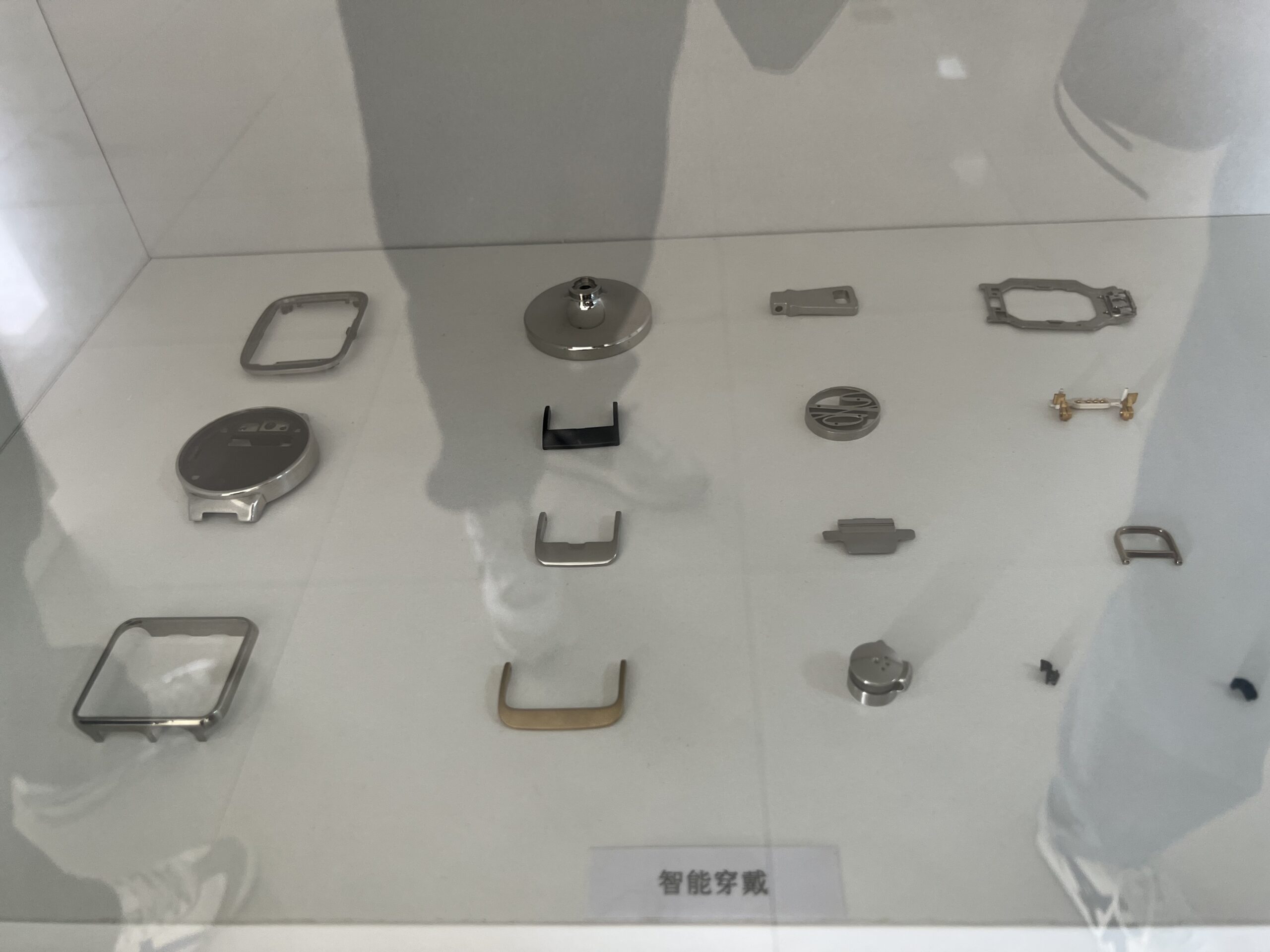
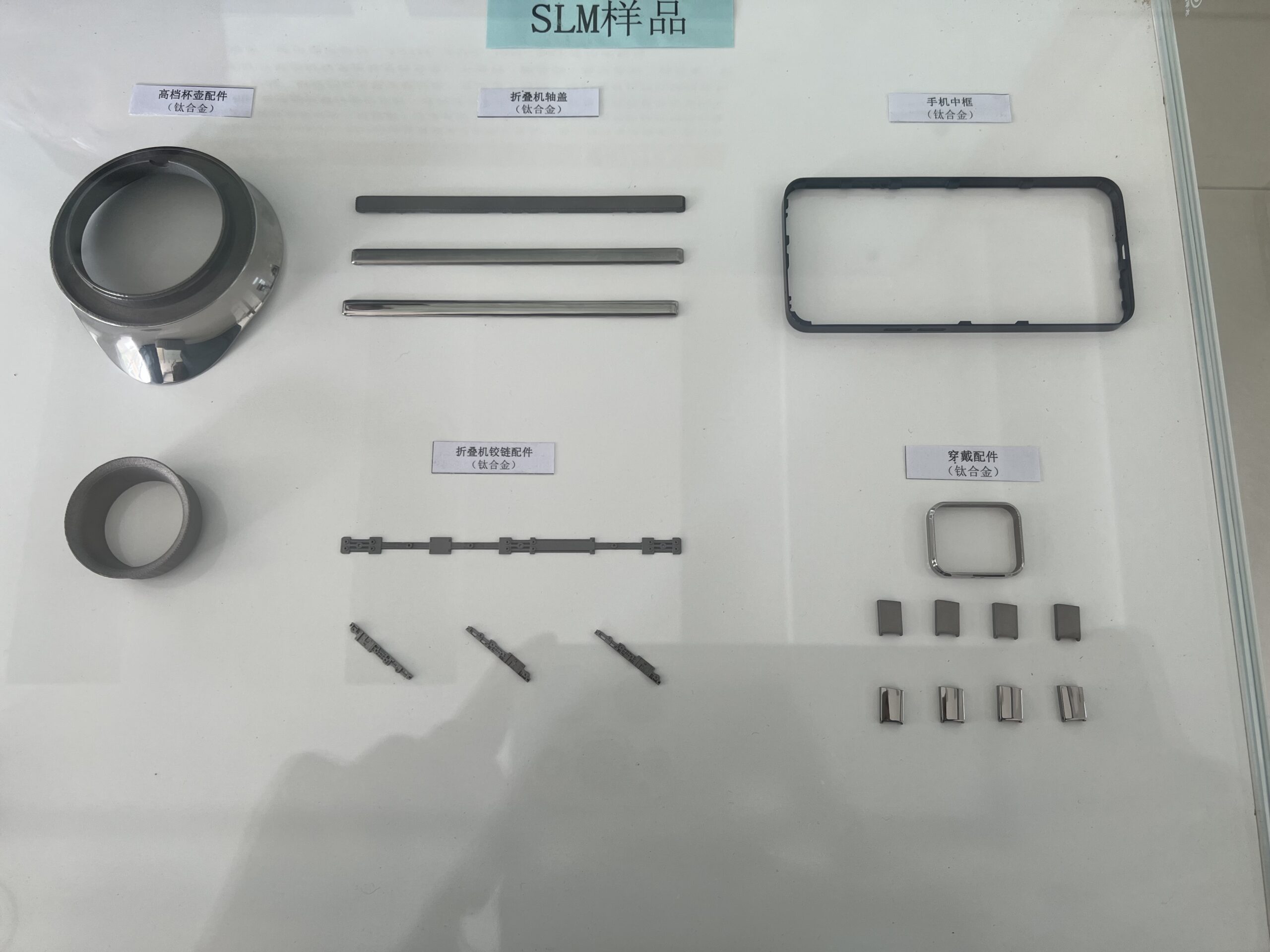
JHMIM Titanium is the only manufacturer in China offering MIM, SLM 3D Printing, and CNC Machining under one roof. This enables uninterrupted transitions from prototyping to mass production in titanium grades of all types.


Wanna dig deeper in Titanium product processing?
A Brief Self-Nomination, Why Choose JH
Our titanium 3D printing services stand out in the market for their superior quality, cutting-edge technology, and comprehensive customer support. Specializing in high-precision titanium prints, we ensure top-tier results for every project.
The FAQs
What makes Grade 12 titanium different from other titanium alloys?
Grade 12 titanium (UNS R53400) is a lean titanium alloy containing 0.3% molybdenum and 0.8% nickel additions. These alloying elements provide superior corrosion resistance compared to commercially pure titanium, particularly against crevice corrosion in hot brines and reducing acids, while maintaining excellent weldability and formability.
How does Grade 12 titanium compare to Grade 2 in corrosion resistance?
Grade 12 offers significantly better corrosion resistance than Grade 2, especially in chloride environments. It can operate in hot brines above 600°F without crevice corrosion, while Grade 2 experiences attack at approximately 200°F. Grade 12 also shows 38.7-46.2% improvement in corrosion potential and 20.5-36.9% reduction in corrosion current density.
What are the mechanical strength properties of Ti Grade 12?
Ti Grade 12 achieves a tensile strength of 550 MPa (79,800 psi) and yield strength of 380 MPa (55,100 psi), making it stronger than unalloyed titanium. It maintains 18-25% elongation, providing good formability for fabrication while offering mechanical properties between commercially pure Grade 2 and high-strength Grade 5.
Is the cost difference between Grade 12 and Grade 2 titanium justified?
Grade 12 costs approximately 15% more than Grade 2 ($15.07 vs $13.34 per pound), but the higher strength allows for thinner wall sections in pressure vessel applications. This material reduction can offset the higher per-pound cost in large projects, while the superior corrosion resistance extends equipment life in harsh environments.
In what applications should engineers choose Grade 12 over other titanium grades?
Grade 12 is ideal for chemical processing equipment including heat exchangers, pressure vessels, pumps, and piping systems operating in hot brines, wet chlorine gas, and reducing acid environments. It's particularly suited for applications requiring temperatures above 200°F in acidic or chloride-containing media where crevice corrosion is a concern.
SEND INQUIRY
Send us your drawings and get a free 3D printed sample!
Experience zero-cost innovation and turn your ideas into reality!
mim@jhmimtech.com