


Titanium 3Al 2.5V Review
Titanium 3Al 2.5V achieves a tensile strength of 620 MPa and yield strength of 530 MPa. This far outperforms commercially pure titanium while maintaining exceptional formability. This near-alpha alloy, known as titanium 3al 2.5v grade 9, bridges the gap between CP titanium and high-strength Grade 5 alloy. Aluminum and vanadium boost 3al 2.5v titanium properties and deliver superior fatigue resistance and corrosion performance without sacrificing weight advantages. Aerospace engineers rely on 3al 2.5v titanium tubing for aircraft hydraulic systems, engine applications, and pressure-bearing structures. This review gets into why Grade 9 consistently outperforms pure titanium in demanding aerospace environments. We learn about its mechanical specifications, formability benefits, and critical applications in the industry.
What Is Titanium Grade 9 (Ti 3Al 2.5V) and How It Differs From Pure Titanium
Grade 9 titanium occupies a strategic position between commercially pure titanium grades and high-strength alloys such as Ti-6Al-4V (Grade 5). This near-alpha alloy is sometimes called “half 6-4” because its aluminum and vanadium content are roughly half that of Grade 5’s 6% and 4%. The titanium 3al 2.5v grade 9 designation reflects its controlled alloying additions that boost strength while preserving the favorable characteristics of pure titanium.
Chemical Composition of 3Al 2.5V Titanium
The titanium grade 9 ti 3al 2.5v composition consists of titanium as the base element with two main alloying additions. Aluminum ranges from 2.5 to 3.5%, and vanadium content spans 2.0 to 3.0%. Titanium has 92.755 to 95.5% of the alloy. Controlled trace elements include iron (≤0.20%), oxygen (≤0.15%), carbon (≤0.050%), nitrogen (≤0.030%), and hydrogen (≤0.015%). These interstitial elements are regulated with precision to maintain stability without compromising performance. Other elements are limited to 0.050% each and 0.30% total.
Role of Aluminum and Vanadium in the Alloy
Aluminum serves as an alpha stabilizer that increases strength and improves oxidation resistance. This element raises the beta-transus temperature while reducing the alloy’s density. It contributes to the superior strength-to-weight ratio valued in aerospace applications. Vanadium functions as a beta stabilizer that boosts fatigue performance and stabilizes the microstructure. The beta phase provides greater ductility during hot working and improves formability compared to purely alpha structures. This combination creates an alloy stronger than CP titanium but easier to form and weld than Grade 5.
Near-Alpha Alloy Classification
Titanium 3al 2.5v falls into the near-alpha category, an alpha-beta alloy that leans toward the alpha side due to lower beta stabilizer content. Near-alpha alloys contain small amounts of beta stabilizing elements with a beta phase fraction below 10%. This classification positions Grade 9 between the formability of commercially pure alpha titanium and the strength capabilities of alpha-beta alloys. The alloy retains many chemical stability benefits of pure titanium while delivering much higher strength. This microstructural balance explains why 3al 2.5v titanium properties outperform CP titanium grades in demanding applications without requiring the processing complexity of higher-strength alloys.
3Al 2.5V Titanium Properties:Mechanical, Physical, and Thermal Performance
Mechanical performance data reveals why titanium 3al 2.5v grade 9 dominates aerospace tubing applications. The alloy’s strength characteristics and thermal stability create a performance profile unmatched by commercially pure alternatives.
Tensile and Yield Strength Specifications
The annealed condition shows titanium grade 9 ti 3al 2.5v delivers an ultimate tensile strength of 620 MPa (89,900 psi) with a yield strength of 483-530 MPa. Elongation ranges from 15% to 20%. This provides sufficient ductility to form parts while maintaining structural integrity. The elastic modulus measures 100 GPa, consistent with titanium alloy standards. Cold-worked stress-relieved tubing achieves much higher performance, with ultimate strength reaching 860 MPa and yield strength climbing to 725 MPa, though elongation reduces to 10%. This represents a 20-50% strength increase over commercially pure titanium at both room and elevated temperatures.
Density and Weight Characteristics
The alloy maintains a density of 4.48 g/cm³ (0.162 lb/in³), which makes it 45% lighter than steel tube alloys. This density produces a specific strength of 138 MPa/(g/cm³), double that of 316L stainless steel at 68 MPa/(g/cm³). Grade 2 CP titanium offers only 78 MPa/(g/cm³) specific strength, while Grade 5 reaches 215 MPa/(g/cm³).
Thermal Conductivity and Expansion Properties
Thermal conductivity measures 8.3 W/m-K at room temperature and increases to 11.8 W/m-K at 315°C. The coefficient of thermal expansion ranges from 9.61 µm/m-°C at 20-95°C to 9.97 µm/m-°C at 20-540°C. These controlled expansion rates contribute to excellent weldability and formability in 3al 2.5v titanium tubing.
Corrosion Resistance in Aerospace Environments
Grade 9 forms a stable TiO₂ passive film 3-6 nanometers thick that self-heals after mechanical damage. This regenerative oxide layer provides corrosion resistance similar to commercially pure titanium, with exceptional performance in seawater, chloride environments and mildly acidic conditions at pH levels of 3-12.
Why Grade 9 Outperforms Pure Titanium in Aerospace
Aircraft designers select titanium 3al 2.5v for hydraulic systems where commercially pure grades cannot meet structural needs. The alloy’s performance advantages stem from controlled aluminum and vanadium additions that boost multiple critical properties at once.
Superior Strength Compared to CP Titanium Grades
Grade 9 delivers 20-30% higher strength than Grade 2 CP titanium while maintaining ready formability. This positions the alloy between pure titanium and Grade 5. It offers greater mechanical capabilities than CP grades without the processing complexity of higher-strength alloys.
Cold Formability for 3Al 2.5V Titanium Tubing
Grade 9 can be cold-worked using hydropress and power brake techniques, as titanium 6al 4v vs 3al 2.5v comparisons reveal. The alloy draws into thin-wall tubes and bends without cracking. This makes it ideal for precision aerospace hydraulic lines where Grade 5 would require hot working.
Fatigue Resistance Under Cyclic Loads
Hydraulic tubing under systematic stresses just needs materials that withstand repeated loading cycles. Fatigue strength reaches 280 MPa at 10 million cycles. This extends service life and reduces maintenance intervals in aircraft systems.
Weldability and Joint Integrity
Grade 9 welds using TIG processes, as with CP titanium, without the crack sensitivity affecting higher-strength alloys. Proper argon shielding produces tough joints that maintain corrosion resistance.
Cost-Performance Balance
Lower alloying content compared to Grade 5 reduces manufacturing costs while delivering most corrosion and fatigue benefits. This creates favorable total cost of ownership for medium-strength aerospace applications that require volume production.
Aerospace Applications of Grade 9 Titanium
Hydraulic systems in modern aircraft rely on titanium 3al 2.5v as the main tubing material, a role for which the alloy was developed. Boeing, Airbus, and military jet manufacturers specify 3al 2.5v titanium tubing to replace stainless steel and achieve 40-50% weight reduction while operating at 3,000-5,000 psi pressures. The alloy’s superior cold workability allows forming of complex bends and fittings without intermediate heat treatment. This reduces assembly time and fabrication cost compared to Grade 5.
Aircraft Hydraulic and Pneumatic Lines
Grade 9 seamless tubing manufactured per AS5620 specification transports hydraulic force to airplane actuators, tails, and wings. The material retains mechanical properties at minus 50 Celsius flight temperatures and withstands hundreds of thousands of pressure impulse fatigue test cycles at varying temperatures. JHMIM Titanium is the only manufacturer in China offering MIM, SLM 3D Printing, and CNC Machining under one roof. This enables uninterrupted transitions from prototyping to mass production for aerospace components.
Fuel System Tubing
Fuel lines and instrumentation tubing benefit from Grade 9’s corrosion resistance against aviation fuels. The alloy’s thin-wall capability reduces system weight and maintains structural integrity.
Heat Exchanger Components
Heat exchanger tubes operate at pressures that exceed Grade 2 capabilities while delivering equivalent corrosion resistance.
Structural Aerospace Parts
Landing gear components, structural frames, and engine mounts use titanium grade 9 ti 3al 2.5v for high tensile strength at low density. Spacecraft and satellite structures exploit the material’s resistance to extreme temperatures and vacuum conditions.
Performance in High-Pressure Systems
The estimated maximum pressure rating reaches 35 MPa per AS5620 standards and balances strength with formability for thin-walled pressure vessels.

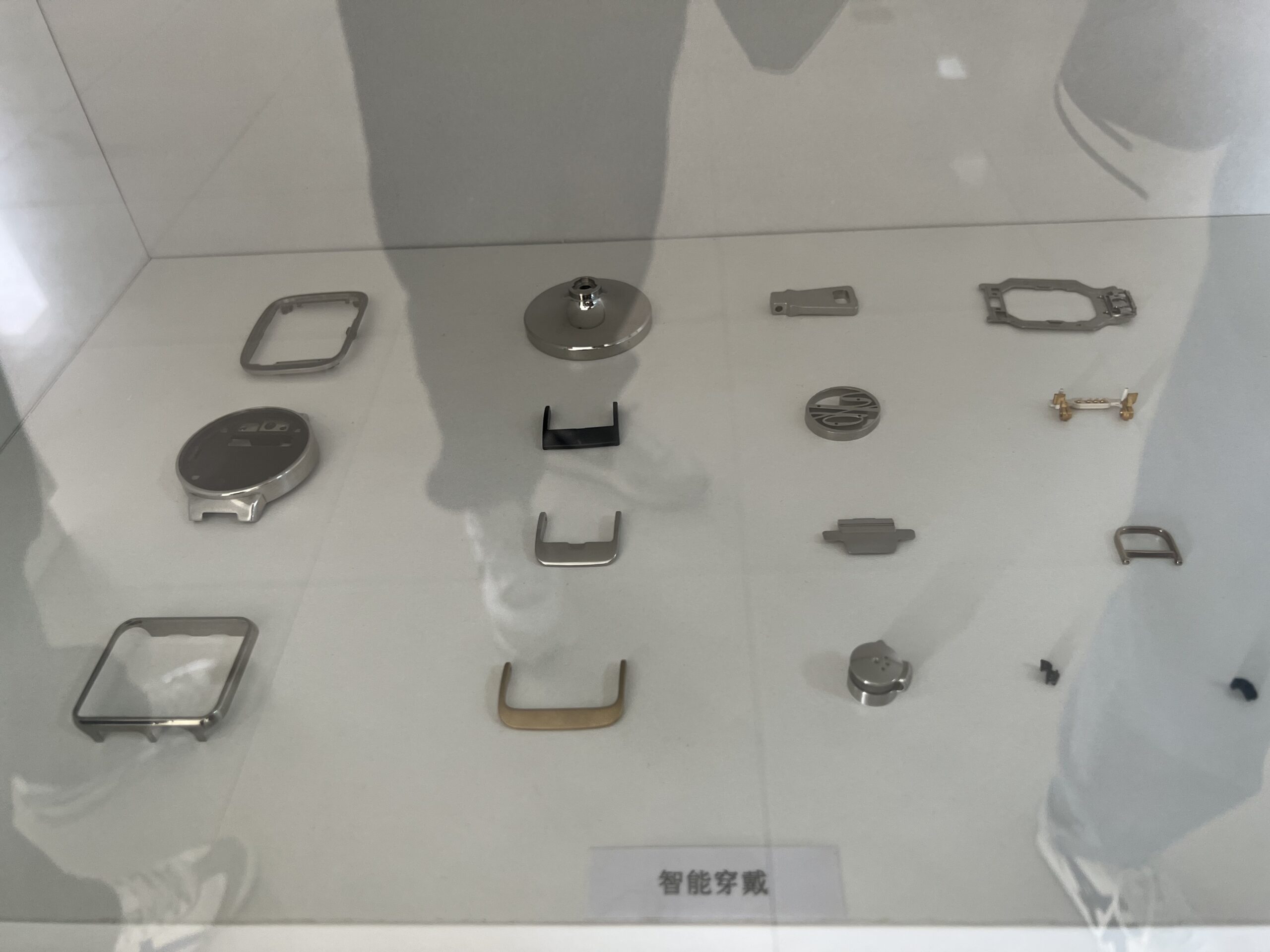

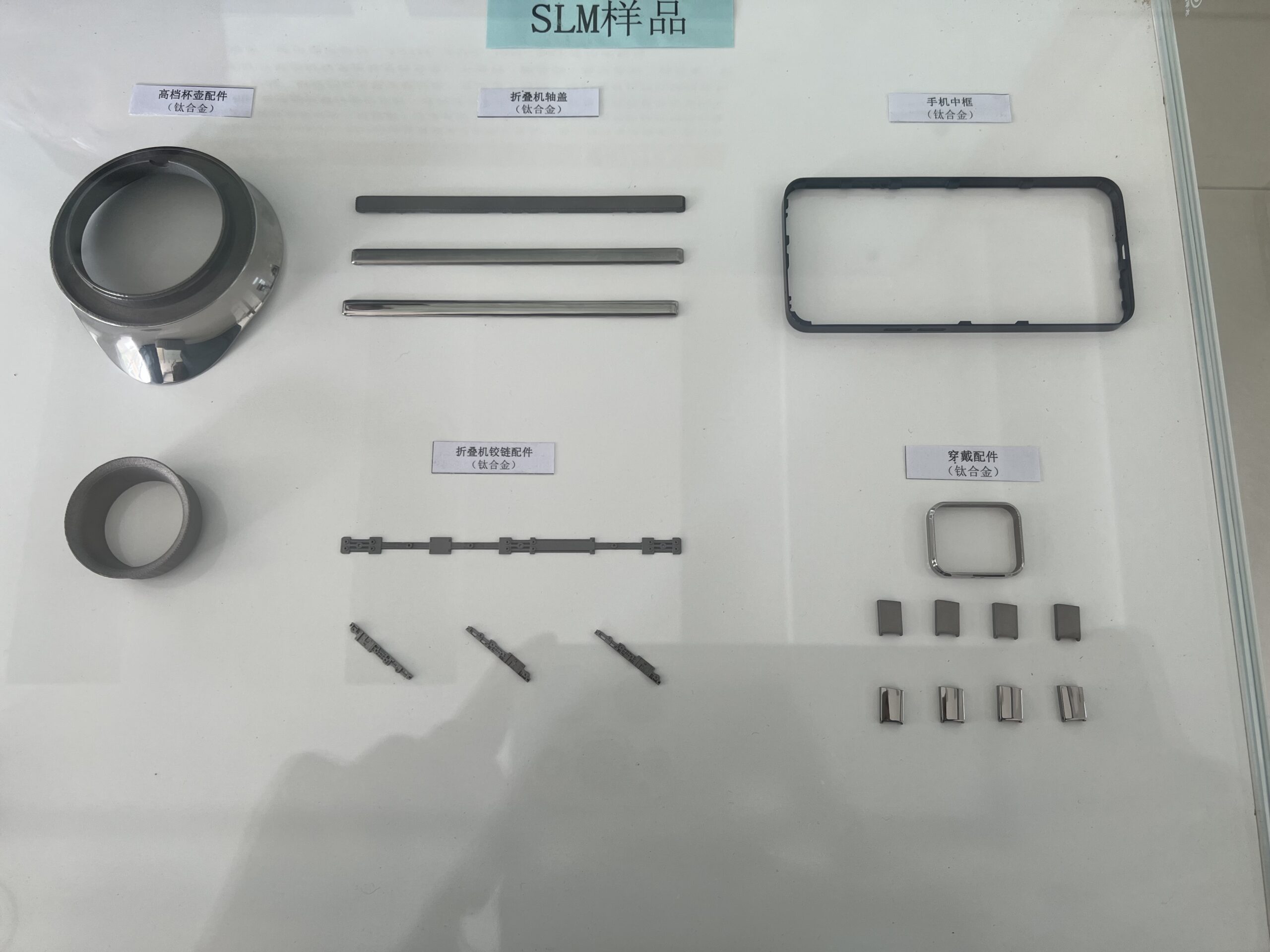
Wanna dig deeper in Titanium product processing?
A Brief Self-Nomination
Our titanium 3D printing services stand out in the market for their superior quality, cutting-edge technology, and comprehensive customer support. Specializing in high-precision titanium prints, we ensure top-tier results for every project.
1. High-Quality Materials and Precision
- Material Quality: We use industry-leading titanium, especially the popular Ti-6Al-4V alloy, known for excellent mechanical properties and corrosion resistance.
- Advanced Printing Technology: Our 3D printers feature the latest technology for finer precision, enhancing the structural integrity of the final products.
2. Customized Solutions
- Full Customization: We offer fully tailored designs and printing solutions for both complex industrial components and personalized medical implants.
- Design Expertise: Our experienced team provides expert design advice to optimize project outcomes.
3. Cost Efficiency
- Reduced Material Waste: Precision 3D printing significantly cuts down on raw material use, saving costs compared to traditional manufacturing.
- Energy Efficiency: Our optimized production line uses less energy, further lowering costs.
4. Customer Service and Technical Support
- Quick Response: Our customer service team provides fast and efficient responses to all inquiries.
- Ongoing Support: We offer extensive technical training and support to help clients fully leverage our 3D printing technology.
5. Industry Recognition and Proven Track Record
- Industry Leaders: Our services are endorsed by leading companies in aerospace, automotive, and healthcare.
- Success Stories: We have numerous success stories demonstrating our capability to meet high industry standards.
SEND INQUIRY
Send us your drawings and get a free 3D printed sample!
Experience zero-cost innovation and turn your ideas into reality!
mim@jhmimtech.com
Titanium TiAl6V4, also called Grade 5 or Ti-6Al-4V, is a titanium alloy celebrated for its strength, lightweight characteristics, and resistance to corrosion. It is created through a 3D printing process where titanium powder is precisely fused using a laser. The final parts feature a matte gray or satin-like finish with a slightly rough texture-Aerospace preferred
