

Key Takeaways
Titanium 3D printing is revolutionizing aerospace manufacturing with dramatic improvements in efficiency, weight reduction, and production speed that are reshaping the industry in 2026.
• Material waste drops from 95% to under 2%: Wire-based additive manufacturing achieves buy-to-fly ratios under 2:1 versus traditional 30:1 ratios, saving millions in raw materials.
• Weight reduction reaches 63% with 40% strength gains: 3D printed titanium brackets are significantly lighter yet stiffer than conventional parts, directly reducing fuel consumption.
• Production timelines compress from years to weeks: Digital designs eliminate costly tooling and die forging, reducing lead times by 90% while cutting tooling costs up to 90%.
• Major airlines deploy 3D printed parts commercially: Airbus A350 and Boeing 787 aircraft fly with certified titanium components, proving technology readiness for critical applications.
• Market growth accelerates to $20.41 billion by 2034: The aerospace 3D printing sector projects 19.70% annual growth, driven by proven cost savings and performance benefits.
The convergence of advanced manufacturing technologies, regulatory approval, and demonstrated commercial success positions titanium 3D printing as the future standard for aerospace component production, offering unprecedented design freedom while meeting stringent safety and performance requirements.
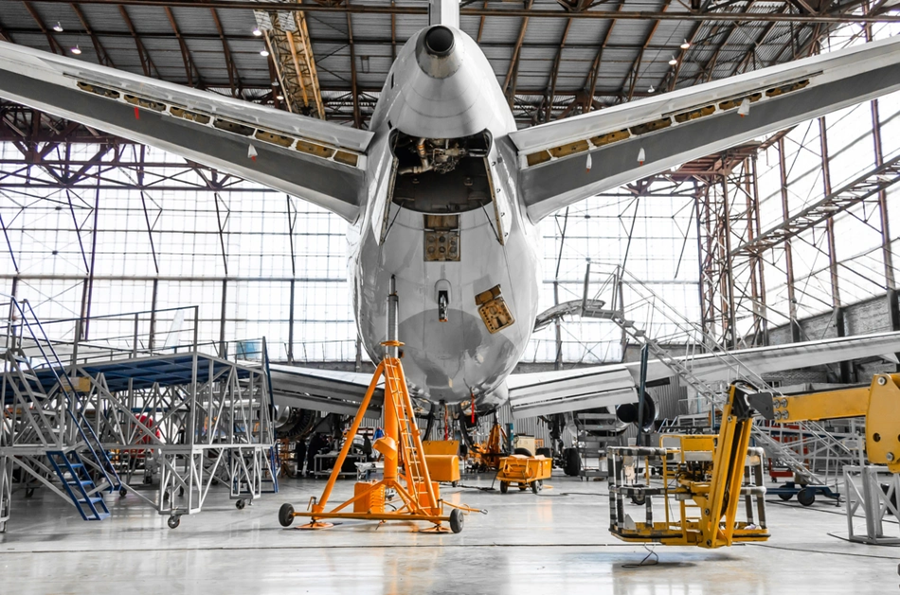
3d printing aircraft parts reached a most important milestone in 2026. Manufacturers now produce structural titanium components up to seven meters long. Metal brackets produced through additive manufacturing are 35% lighter and 40% stiffer than conventional brackets, and this shows the performance benefits of this technology. Titanium has become the material of choice for aerospace applications. It offers a weight-to-strength ratio that stands out, along with corrosion resistance and high-temperature performance.
The aerospace 3d printing sector is experiencing remarkable growth. Projections exceed 20% expansion in 2026. This piece gets into the key technologies behind titanium aircraft parts production and ground applications from industry leaders. It also analyzes how 3d printed aerospace parts are revolutionizing traditional manufacturing processes while optimizing sustainability in the 3d printing aerospace industry.
Titanium 3D Printing Technologies Used in Aerospace Manufacturing
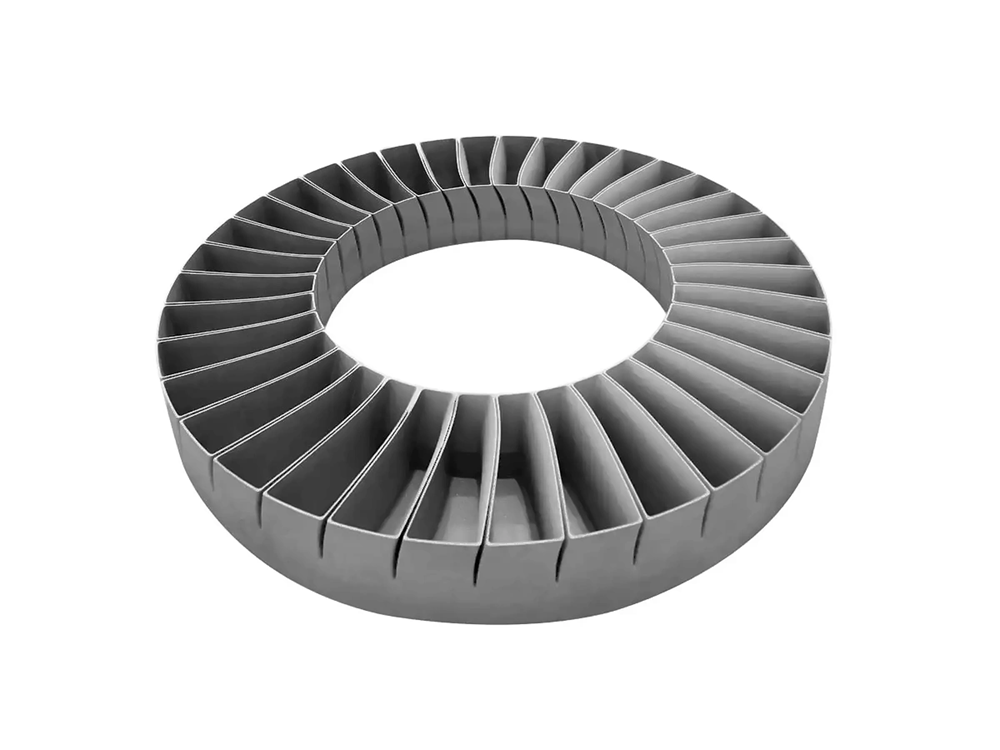
Several advanced technologies enable 3d printing aircraft parts with titanium, each offering distinct capabilities for aerospace manufacturing applications.
Wire-Directed Energy Deposition (w-DED) Process
The w-DED process employs a multi-axis robotic arm equipped with titanium wire spools that feed material into focused energy sources such as plasma, laser, or electron beams. This approach melts and deposits material layer by layer. Digital 3D models guide the process to create near-net-shaped blanks that require minimal final machining. The technology produces structural titanium components up to seven meters in length, with deposition rates that reach several kilograms per hour. This is a big deal as it means that conventional powder-bed systems operate at hundreds of grams per hour. Airbus has adopted w-DED for large-scale production and moved beyond the two-foot size constraints of traditional powder bed machines.
Direct Metal Laser Sintering (DMLS) for Aircraft Parts
DMLS operates through a high-power Ytterbium fiber laser that fires into beds of powdered metal and micro-welds particles together in layers 20 micrometers thick. The process occurs within sealed chambers filled with inert argon gas to prevent oxidation of reactive molten titanium. This technology enables production of complex geometries that include internal channels and lattice structures impossible through subtractive manufacturing. DMLS-fabricated Ti-6Al-4V components demonstrate ultimate tensile strengths of 1,200 MPa plus or minus 30 MPa, comparable to or exceeding conventionally manufactured counterparts.
Powder Bed Fusion vs Large-Format Metal Printing
Powder bed fusion systems excel at producing small, high-detail components with geometric precision but face limitations in build volume and speed. These systems accommodate parts under 0.6 meters. Wire-based directed energy deposition breaks through these barriers and enables the production of structural elements exceeding seven meters while operating at much faster rates. The difference becomes critical for 3d printed aerospace parts that require both scale and structural integrity.
Material Requirements for Aerospace-Grade Titanium Alloys
Ti-6Al-4V remains the dominant alloy for titanium aircraft parts and comprises 90% titanium, 6% aluminum, and 4% vanadium. Three critical powder characteristics determine outcomes in 3d printing in aerospace industry applications: particle size distribution affects layer uniformity and melt pool stability, spherical morphology ensures predictable flow and consistent packing, and tight chemistry control over oxygen and nitrogen levels influences strength and ductility performance. Companies like JHMIM Titanium house multiple production technologies under one roof and allow optimal process selection for custom aerospace components.
Key Advantages of 3D Printed Aerospace Parts with Titanium
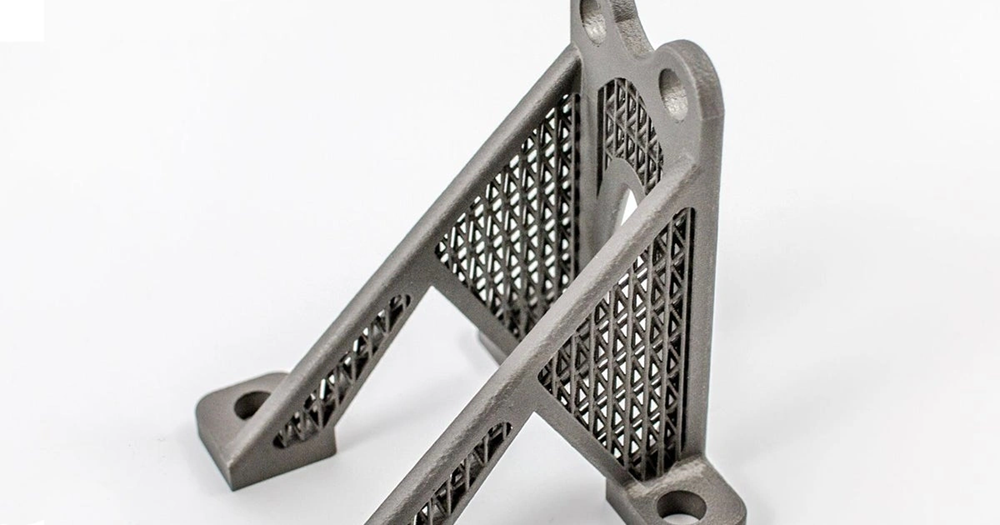
Material efficiency stands as the most compelling economic advantage in 3d printing aircraft parts with titanium, altering cost structures across aerospace manufacturing.
Buy-to-Fly Ratio Improvements: From 95% Waste to Near-Net Shape
Traditional forging and machining methods require purchasing far more raw material than the final component weight. Buy-to-fly ratios range from 6:1 to 30:1 in conventional aerospace production. Manufacturers recycle between 80% and 95% of the titanium originally purchased in some cases. Certain components scrap up to 98% of the raw material. Wire-based additive manufacturing reduces this ratio to under 2:1, while powder bed systems achieve ratios approaching 1:1. Material savings exceed 95% compared to conventional machining for structural titanium components like the Airbus A350 emergency exit frame.
Weight Reduction in Aircraft Structural Components
Topology optimization combined with titanium aircraft parts production enables weight reductions of 50% versus traditional machining. Real-life implementations demonstrate even greater results. Aerospace brackets achieve 63% weight reduction from original designs. Parts manufactured through selective laser melting show 40% weight advantages over machined aluminum alternatives. These reductions deliver operational benefits, as every 1% decrease in aircraft weight reduces fuel consumption by 0.75%.
Eliminating Traditional Tooling and Die Forging Costs
Traditional die forging requires large, complex tooling that takes up to two years to produce with major upfront capital investment. 3d printed aerospace parts derive their shape from computer programs, reducing lead times to just weeks. Manufacturers eliminate 50-90% of tooling costs and bypass the need for molds and dies.
Design Freedom for Complex Geometries
Additive manufacturing enables internal channels, organic structures, and hollow geometries that are impossible through subtractive methods. Engineers combine multi-part assemblies into single, stronger components. Some designs merge seven separate parts into one integrated structure. JHMIM Titanium houses three distinct production technologies under one roof. This allows optimal process selection for custom aerospace components requiring complex geometries.
Faster Production Timelines: Weeks vs Years
Digital designs transition to physical parts almost immediately once finalized. Development cycles compress from months to days. This agility eliminates the weeks of lead time associated with mold creation, jig design and tooling setup required in traditional manufacturing.
Real-World Applications of Titanium Aircraft Parts in 2026
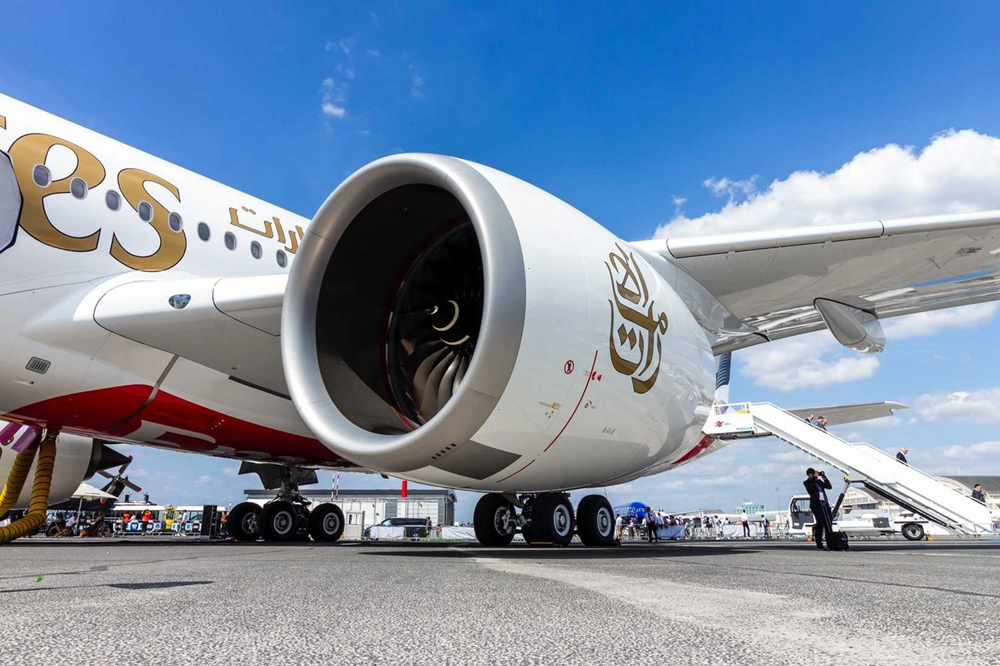
Major aerospace manufacturers have deployed titanium aircraft parts across commercial fleets and proved the technology’s readiness for critical structural applications.
Airbus A350 Cargo Door Surround Components
Airbus has initiated serial integration of w-DED components into the A350’s cargo door surround area. Testia Bremen performs ultrasonic inspection on these plasma-printed parts before machining and installation in production aircraft. The components prove functionally and geometrically similar to traditional forged elements while delivering immediate cost savings. Airbus plans to expand w-DED applications to wings and landing gear.
Boeing 787 Structural Elements
Boeing operates over 50,000 3D-printed parts across commercial, space, and defense products. Boeing became the first manufacturer to design and install an FAA-qualified structural titanium part on the 787 Dreamliner in 2017. Norsk Titanium produces titanium galley fittings for the 787 using Rapid Plasma Deposition and reduces raw material needs by over 40%. These 33-centimeter fittings anchor the aft kitchen galley to the airframe.
Engine Components and Turbine Blades
Titanium’s thermal tolerance makes it ideal for engine applications near combustion zones. Ti-6Al-4V components work in low-temperature engine sections, including fan blades and compressor elements.
Landing Gear and Wing Structures
Safran Landing Systems produced a nose landing gear component measuring 455 x 295 x 805 mm using selective laser melting and achieved 15% weight reduction.
Custom Manufacturing Solutions from Integrated Production Facilities
JHMIM Titanium houses three distinct production technologies under one roof. This setup enables optimal process selection for custom aerospace components that require precision and quality across small batches or high-volume production.
Manufacturing Process Evolution and Future of Titanium in Aircraft
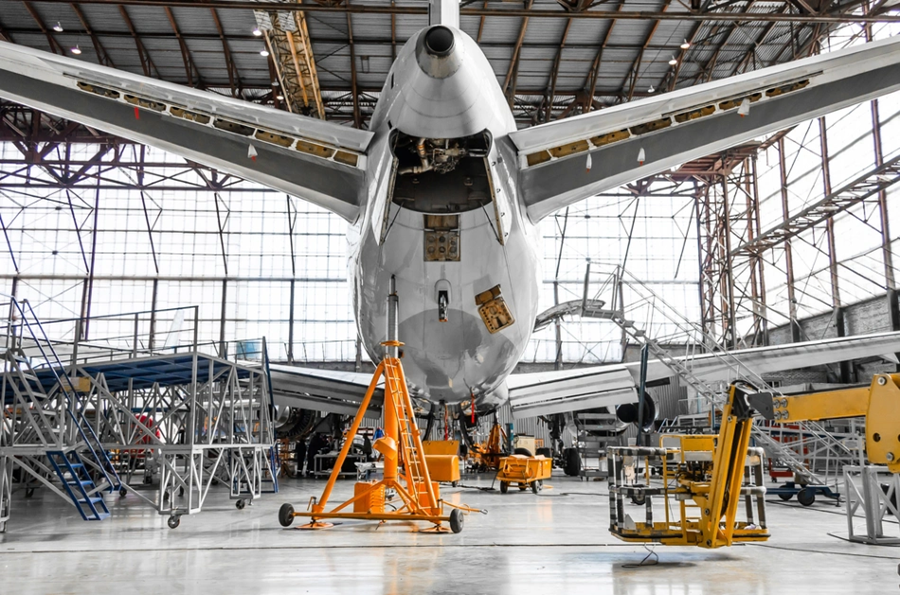
Regulatory frameworks and quality management systems govern the certification pathway for 3d printing in aerospace industry applications, determining commercial viability and adoption rates.
Quality Control and Certification Standards
Aerospace manufacturers operate under AS9100D compliance, the international quality management standard for aviation, space, and defense industries. The ISO/ASTM 52920 standard defines uniform requirements for equipment, materials, processes, and documentation across additive manufacturing facilities. Stringent certification requirements create lengthy approval processes. Additively manufactured parts require extensive testing and repeatability studies to ensure consistent quality. Variability across different machines and printing parameters complicates standardization efforts. Research funded by the Federal Aviation Administration shows that understanding performance variability between similar machine models represents a critical requirement for advancing aerospace 3D printing.
Material Efficiency and Sustainability Goals
Additive manufacturing adoption could reduce aerospace energy consumption by 5-25% by 2050. Each kilogram of mass reduction in aircraft structures potentially saves up to 90,000 liters of fuel annually. Boeing documented 30-39% reductions in carbon emissions, waste, and energy consumption when producing 787 Dreamliner titanium brackets through wire-based additive processes.
Cost Analysis: Traditional vs 3D Printing Methods
Metal additive manufacturing reduces total costs for aeronautical components by 33.2% compared to conventional methods. Economic viability emerges at buy-to-fly ratios of approximately 12:1, with future systems targeting 3:1 ratios. But titanium powder costs between $300-600 per kilogram, representing a substantial material expense.
2026 Market Growth Projections for Aerospace 3D Printing
The aerospace 3D printing market reached $4.04 billion in 2025 and projects growth to $4.84 billion in 2026, advancing toward $20.41 billion by 2034 at a 19.70% CAGR. North America commanded 34.71% market share in 2025.
Challenges in Standardization and Material Limitations
Anisotropic mechanical properties resulting from layer-by-layer construction create directional strength variation. Post-processing requirements including heat treatment and hot isostatic pressing add complexity. JHMIM Titanium addresses these challenges by housing three distinct production technologies under one roof. This enables optimal process selection for custom titanium aircraft parts while maintaining stringent quality standards across varied production volumes.
Conclusion
Titanium 3D printing has fundamentally transformed aerospace manufacturing through proven material efficiency, weight reduction, and accelerated production timelines. Major manufacturers including Airbus and Boeing confirm the technology’s readiness for critical structural applications. The market projects growth toward $20.41 billion by 2034. Continuing technological refinement propels this expansion. JHMIM Titanium’s integrated facility houses three distinct production technologies and positions the company to deliver optimal manufacturing solutions in a variety of aerospace requirements.
FAQs
Q1. What role does 3D printing play in modern aerospace manufacturing? Aerospace 3D printing enables the production of flight-certified components, prototypes, and manufacturing tools using advanced materials like titanium. This technology accelerates development cycles, reduces aircraft weight, and improves cost efficiency throughout the entire product lifecycle, from initial design validation to final production parts.
Q2. How does additive manufacturing improve efficiency compared to traditional methods? Unlike traditional subtractive manufacturing that removes material and creates significant waste, 3D printing is an additive process that uses only the material necessary to build each part. This approach dramatically reduces material waste, lowers production costs, and enhances precision, with some aerospace applications achieving buy-to-fly ratios under 2:1 compared to traditional ratios of 6:1 to 30:1.
Q3. Why is titanium the preferred material for aerospace 3D printing applications? Titanium offers an exceptional combination of high strength-to-weight ratio, superior corrosion resistance, and excellent high-temperature performance. These properties make it ideal for critical aerospace components including structural elements, engine parts, and landing gear, where reliability and weight reduction are essential for aircraft performance and fuel efficiency.
Q4. What future capabilities will 3D printing technology bring to aerospace manufacturing? Future 3D printing systems will advance beyond producing simple structural parts to manufacturing complete functional systems with integrated electronics, sensors, and circuits. Multi-material printing and conductive inks will enable the creation of complex components with embedded functionality, reducing assembly requirements and improving overall system integration.
Q5. How significant is the market growth for aerospace 3D printing through 2026 and beyond? The aerospace 3D printing market is experiencing substantial expansion, growing from $4.04 billion in 2025 to a projected $4.84 billion in 2026, with forecasts reaching $20.41 billion by 2034. This represents a compound annual growth rate of approximately 19.70%, driven by increasing adoption of titanium additive manufacturing and proven cost savings across major aerospace manufacturers.