

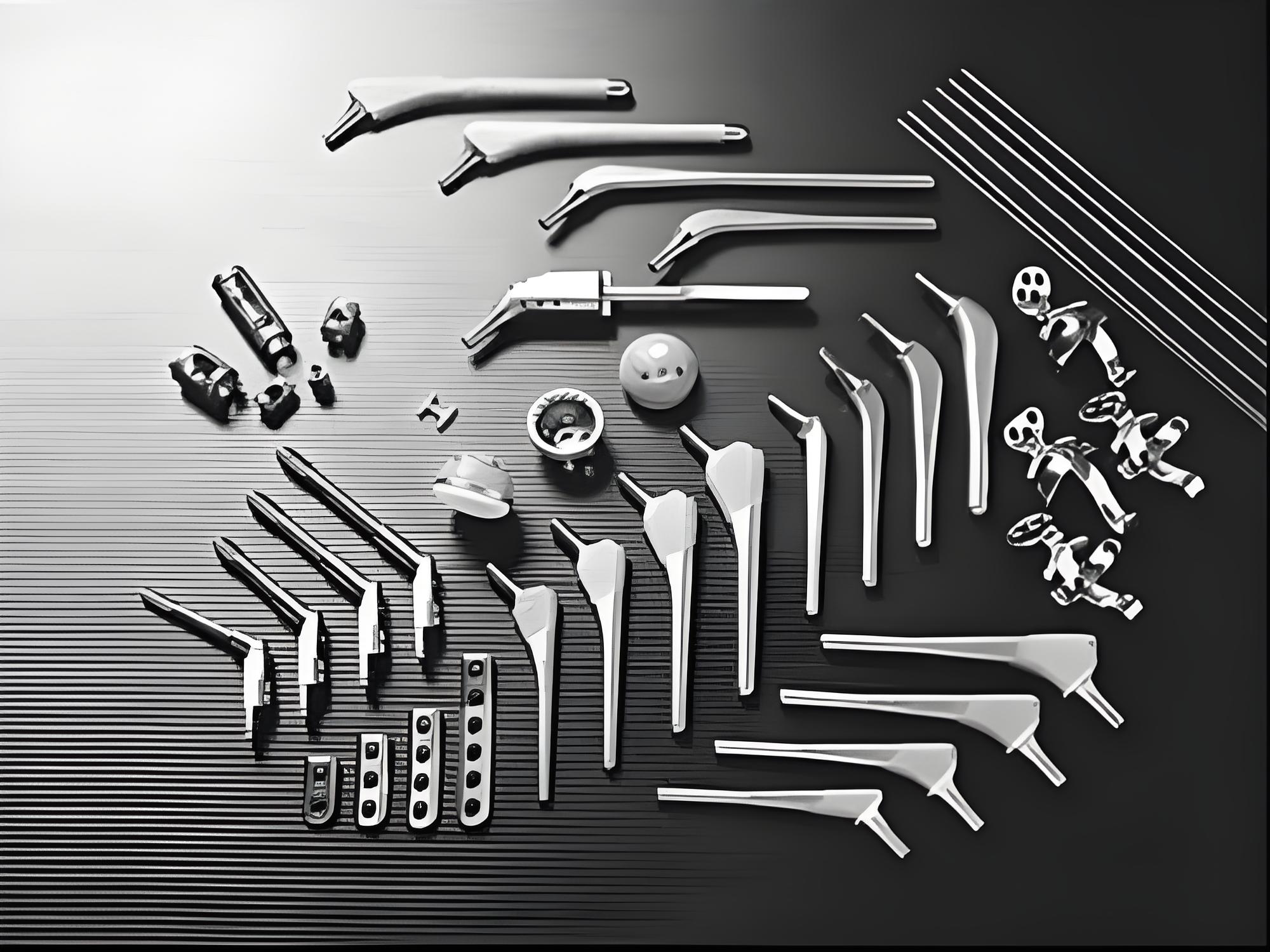
The Future Of Medical Implants Devices
In the field of medical implant devices, titanium 3D printing technology is bringing revolutionary changes. Titanium metal has become the material of choice for manufacturing implants due to its excellent biocompatibility and durability. With the help of 3D printing technology, medical device manufacturers can tailor implants to a patient’s unique anatomy, significantly improving treatment effectiveness and patient comfort. Complex geometric design and rapid prototyping make personalized and precise medical solutions a reality. With the continuous advancement of titanium 3D printing technology, medical implant equipment will usher in a more efficient, innovative and personalized future.
Application Of Titanium In Medical Implant
Titanium has a series of unique advantages that make it widely used in the medical field:
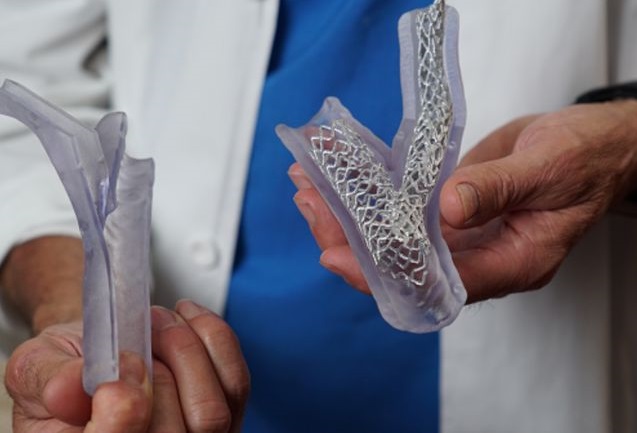
Advantages of titanium
- Biocompatibility
- High strength to weight ratio
- Corrosion resistance
Biocompatibility: Titanium does not cause human rejection, which makes it an ideal implant material.
High strength to weight ratio: Titanium is both strong and durable, and lightweight, making it very suitable for long-term implantation.
Corrosion resistance: Titanium will not corrode in the body fluid environment, ensuring the long-term stability of the implant.
Common Types of Titanium Implant Devices
Below is a table of medical implant device applications, organized by category, part name, and material, with a special emphasis on the use of titanium 3D printing technology:
Classification |
Parts Name |
Material |
Orthopedic Implants |
Hip Implants |
Titanium, Titanium Alloys |
Knee Implants |
Titanium, Titanium Alloys |
|
Bone Plates and Screws |
Titanium, Titanium Alloys |
|
Dental Implants |
Dental Screws |
Titanium |
Abutments |
Titanium |
|
Cardiovascular Implants |
Heart Valves |
Titanium, Titanium Alloys |
Vascular Stents |
Titanium, Nitinol |
|
Spinal Implants |
Spinal Rods |
Titanium, Titanium Alloys |
Intervertebral Discs |
Titanium, PEEK-Titanium Composite |
|
Cranial Implants |
Cranial Plates and Meshes |
Titanium, Titanium Alloys |
Maxillofacial Implants |
Jaw Implants |
Titanium, Titanium Alloys |
Hearing Implants |
Cochlear Implants |
Titanium |
Neurostimulators |
Electrode Arrays |
Titanium, Platinum-Iridium |
Custom Implants |
Patient-Specific Implants |
3D Printed Titanium, Titanium Alloys |
Description:
Orthopedic Implants: including hip joints, knee joints, bone plates and screws. These parts are mainly made of titanium and titanium alloys. Through 3D printing technology, personalized customization and complex structural design can be achieved, providing better biocompatibility and mechanical properties.
Dental Implants: including dental screws and abutments, usually made of pure titanium. 3D printing technology can accurately manufacture and ensure that the implants fit the patient’s bones perfectly.
Cardiovascular Implants: including heart valves and vascular stents, mainly made of titanium and nickel-titanium alloy (Nitinol). 3D printing technology can produce complex geometric structures with high precision and high strength, which helps to improve the implant effect.
Spinal Implants: including spinal rods and intervertebral discs, using titanium and polyetheretherketone (PEEK)-titanium composite materials. 3D printing technology allows these implants to better adapt to the patient’s anatomical structure.
Cranial Implants: including skull plates and meshes, using titanium and titanium alloys. 3D printing technology can produce highly personalized implants, ensuring precise coverage and protection.
Maxillofacial Implants: Includes mandibular implants, mainly made of titanium and titanium alloys. 3D printing technology provides highly customized solutions, improving the adaptability and functionality of implants.
Hearing Implants: Includes cochlear implants, usually made of titanium. 3D printing technology helps to achieve more complex and precise component manufacturing.
Neurostimulators: Includes electrode arrays, made of titanium and platinum-iridium alloys. 3D printing technology plays a key role in the manufacture of these high-precision, tiny parts.
Custom Implants: Through 3D printing technology of titanium and titanium alloys, customized implants that fully meet the individual needs of patients can be manufactured to provide the best treatment results and patient satisfaction.
This classification and material usage table not only shows the wide application of titanium 3D printing technology in medical implant devices, but also highlights its advantages in personalized customization and complex structure manufacturing.
JHTi Medical Implants
JHTi has over 30 years of experience in titanium machining for medical implants for a variety of applications. Our titanium machining capabilities utilize state-of-the-art equipment including titanium additive manufacturing machines, 5-axis milling machines, and multi-axis Swiss milling machines to produce highly complex, multi-faceted implants from commercially pure titanium and titanium alloys.
Some of the titanium medical components we produce include:
| Classification | Part Name | Specific Component |
|---|---|---|
| Orthopedic Implants | Hip Implants | Acetabular Cup |
| Femoral Head | ||
| Femoral Stem | ||
| Knee Implants | Femoral Component | |
| Patellar Component | ||
| Tibial Tray | ||
| Bone Plates and Screws | Fracture Fixation Plates | |
| Bone Screws | ||
| Intramedullary Nails | Femoral Nails | |
| Tibial Nails | ||
| Dental Implants | Dental Screws | Dental Screws |
| Abutments | Abutments | |
| Cardiovascular Implants | Heart Valves | Mechanical Valves |
| Bioprosthetic Valves | ||
| Vascular Stents | Coronary Stents | |
| Peripheral Vascular Stents | ||
| Spinal Implants | Spinal Fixation Devices | Spinal Screws and Rods |
| Intervertebral Discs | Intervertebral Discs | |
| Cranial Implants | Cranial Plates and Meshes | Cranial Plates and Meshes |
| Maxillofacial Implants | Jaw Implants | Jaw Implants |
| Facial Fracture Fixation Devices | Facial Fracture Fixation Devices | |
| Hearing Implants | Cochlear Implants | Cochlear Implants |
| Neurostimulators | Electrode Arrays | Electrode Arrays |
| Custom Implants | Patient-Specific Implants | Patient-Specific Implants |
| Other Types of Implants | Breast Implants | Breast Implants |
| Urological Implants | Urethral Stents | |
| Artificial Sphincters | ||
| Ophthalmic Implants | Corneal Implants | |
| Intraocular Lenses |
The types of implant products and components produced by JHTi cover a wide range of applications from orthopedics, dentistry, cardiovascular to neurology and custom implants. Each implant and component is specially designed and manufactured according to its function and use, usually using high-performance materials such as titanium and its alloys, and realizing personalized and complex structure requirements through advanced manufacturing technologies such as 3D printing.
Surgical Titanium Instruments
There are a number of characteristics that make titanium the perfect choice for surgical instrumentation:
It’s harder than some steel, yet lighter in weight.
It is bacteria resistant.
Again, it can be used in conjunction with instruments emitting radiation.
Titanium is incredibly durable, giving instruments greater longevity.
Because of these great properties, it is used to create a number of titanium surgical devices:
• Surgical forceps
Titanium surgical forceps are transforming the medical field with their exceptional qualities. Known for their strength, light weight, and biocompatibility, titanium forceps offer unparalleled advantages in various surgical procedures.
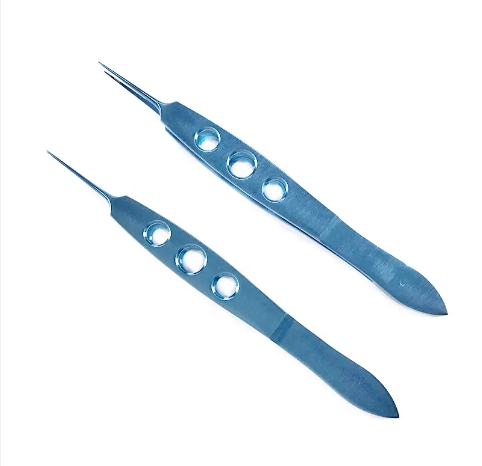
• Retractors
Titanium retractors are essential tools in modern surgical procedures. Their strength, lightweight properties, and biocompatibility make them ideal for a wide range of surgeries, ensuring better outcomes and reduced fatigue for surgeons.
• Surgical tweezers
Titanium surgical tweezers are highly valued in the medical field for their precision, strength, and biocompatibility. These instruments are essential for various surgical procedures, offering superior performance and longevity compared to traditional materials.
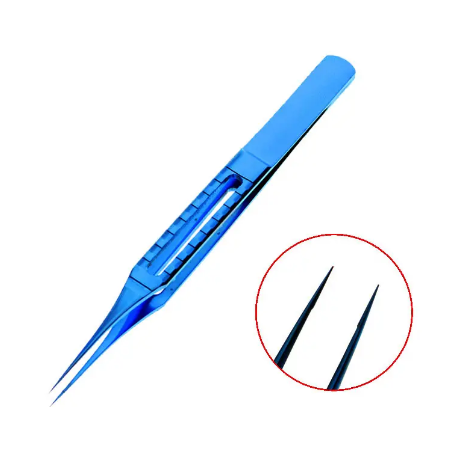
• Suture instruments
Titanium suturing instruments are highly regarded in surgery for their excellent strength, lightness and biocompatibility. These instruments, including titanium suturing needles and suturing clips, can provide high precision and durability during surgery, reduce the risk of postoperative infection and improve patient recovery. Titanium suturing instruments not only improve surgeons’ operating efficiency, but also significantly improve surgical outcomes.
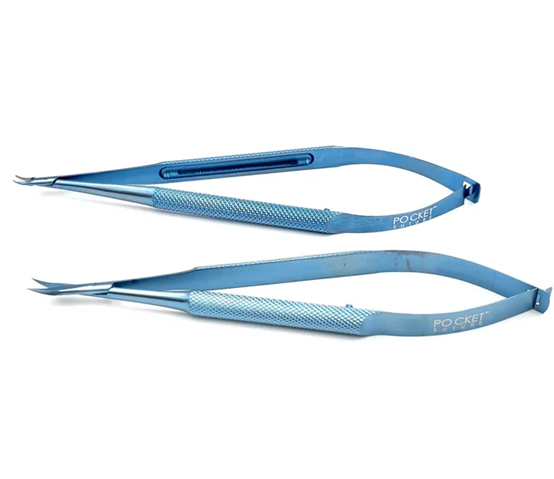
• Scissors
Titanium surgical scissors have become the tool of choice for surgeons due to their excellent durability, lightness and biocompatibility. These scissors excel in maintaining sharpness and cutting precisely, making complex surgical procedures more efficient and safer. Titanium surgical scissors not only reduce surgical fatigue, but also significantly improve the overall quality of surgery and patient recovery.

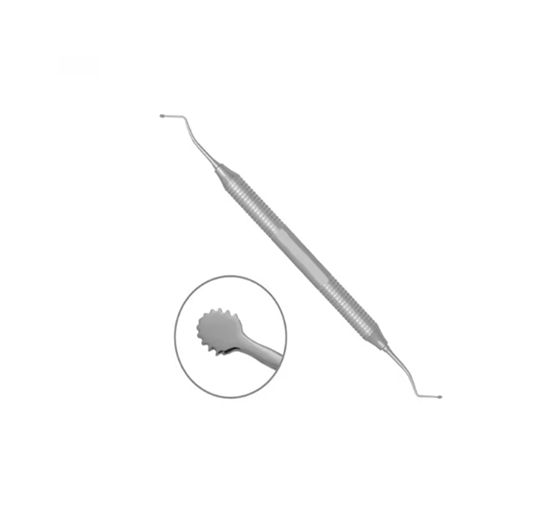
•Dental scalers
Titanium dental scalers, renowned for their exceptional strength, light weight, and biocompatibility, are the ideal tools for dentists to clean and care for teeth. They are not only corrosion-resistant and durable but also provide high precision and comfort during subgingival and supragingival scaling, effectively removing calculus and plaque to improve oral health. Titanium dental scalers significantly enhance treatment outcomes and patient experience.
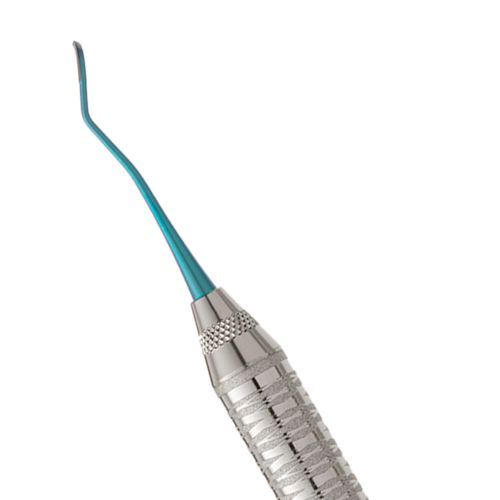
• Dental drills
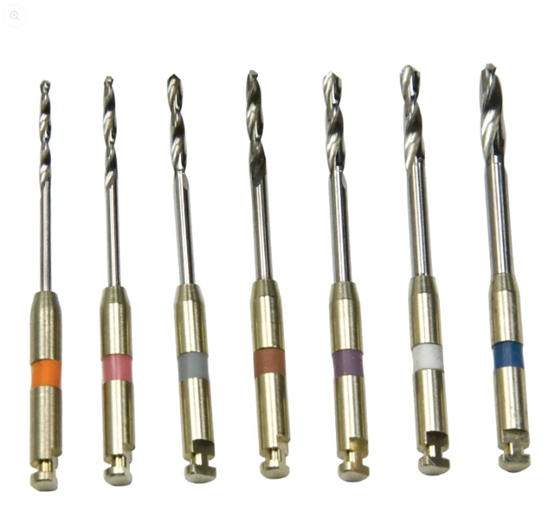
Titanium dental drills play an important role in dental surgery with their excellent strength, lightness and biocompatibility. These drills provide efficient and precise drilling performance and can easily handle various complex dental surgeries. Titanium dental drills not only reduce vibration and discomfort during operation, but also significantly improve surgical precision and patient comfort.
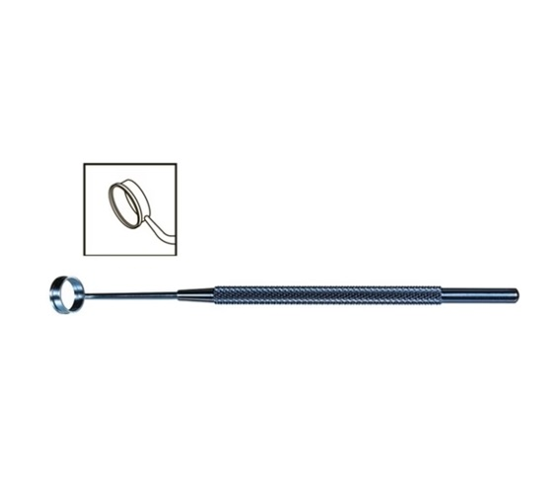
• Lasik eye surgery equipment
Titanium Lasik eye surgery equipment utilizes advanced titanium alloys known for their exceptional strength, biocompatibility, and corrosion resistance. These properties ensure precise surgical outcomes, minimal tissue reaction, and long-term durability. The equipment’s lightweight design enhances maneuverability during procedures, while its ability to withstand sterilization processes maintains strict hygiene standards essential for surgical environments. Ideal for ophthalmic surgeries, titanium Lasik equipment underscores reliability and precision, offering surgeons and patients confidence in achieving optimal visual outcomes.
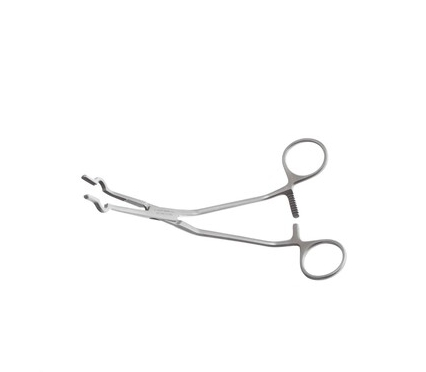
• Vena cava clips
Titanium vena cava clips are medical devices used in vascular surgery, specifically to occlude the vena cava for managing blood flow during procedures. Constructed from titanium alloys, these clips offer exceptional biocompatibility, resistance to corrosion, and mechanical strength, ensuring secure closure of blood vessels with minimal risk of tissue reaction or long-term complications. Their lightweight design facilitates precise placement and reduces surgical trauma, contributing to safer and more efficient vascular surgeries.
Want to know how to custom medical implant devices?
If you are interested in our titanium 3D printed medical implants, please contact us for more information and customized solutions. We are committed to providing you with the most advanced and personalized medical implant solutions. Please contact us
The Basic Knowledge
Please note that the final cost depends on the customized service you require, the specifications of the raw materials used, the relevant national laws, and the distance of transportation. Take the example of booking a tall container of products:
Sourcing Titanium Components for Oil & Gas: Your NACE MR0175/ISO 15156 Compliance Guide
Titanium components used in oil and
Titanium Powder for LPBF vs EBM
Titanium Powder can determine wheth
Preventing Hydrogen Embrittlement in Titanium Processing: Acid Pickling, Heat Treatment, and Control
In titanium production, a few dozen
ASTM F136 vs ASTM B348 Titanium Bar: Medical vs Industrial Guide
ASTM F136 vs. ASTM B348 represents
Types of Metal 3D Printing Compared: SLM vs. EBM vs. DMLS vs. Binder Jetting
Selecting the appropriate metal add
Designing Threaded Features for Titanium Components: Preventing Galling and Thread Stripping
Threaded titanium components offer
Titanium Anodizing (Type II vs. Type III): Corrosion Protection, Color Coding, and Wear Resistance
Titanium already earns its reputati
Titanium grade 9 vs grade 5 guide
Selecting between Ti-3Al-2.5V (Grad
Hot Isostatic Pressing (HIP) Parameters for Ti-6Al-4V: Density, Porosity, and Fatigue Performance
For aerospace, medical, and high-pe
Lattice Structure Design Guide for 3D Printed Titanium: Cell Types, Porosity, and Weight Reduction
Titanium additive manufacturing mak
The FAQs About Stereo Foldable Headphones
Please note that the final cost depends on the customized service you require, the specifications of the raw materials used, the relevant national laws, and the distance of transportation. Take the example of booking a tall container of products:
What are titanium medical implants?
Titanium medical implants are devices made from titanium and its alloys, commonly used in surgeries such as orthopedic, dental, and cardiovascular procedures to replace or support bodily functions.
Why choose titanium as a material for medical implants?
Titanium is chosen for its high strength, low weight, excellent corrosion resistance, and outstanding biocompatibility, making it an ideal material for medical implants.
Will titanium medical implants cause allergic reactions?
Titanium is hypoallergenic for most people and, due to its excellent biocompatibility, typically does not cause allergic reactions or rejection.
What is the lifespan of titanium medical implants?
Titanium medical implants generally have a very long lifespan and, in many cases, can be permanent, depending on the implant site and usage conditions.
Will titanium medical implants corrode or degrade in the body?
Titanium has excellent corrosion resistance and will not degrade or corrode in the body, ensuring long-term stability and safety.
Are titanium medical implants compatible with other medical devices, such as MRI?
Most titanium implants are non-magnetic and therefore typically not affected by MRI machines, but you should consult your doctor to confirm your specific situation.
How long does it take to recover after surgery?
Recovery time depends on the type of surgery and the individual's health. Generally, the recovery time for titanium implants is similar to other implants, requiring several weeks to a few months.
What is the cost of titanium medical implants?
The cost of titanium implants varies depending on the design, complexity, and surgical requirements. Although typically more expensive than some other materials, their long-term performance and durability make them cost-effective.
How can I determine if I am suitable for titanium medical implants?
Suitability should be assessed by a doctor, considering your health condition, specific needs, and allergy history. The doctor will advise whether titanium implants are appropriate based on your individual situation.
Do titanium medical implants require regular check-ups or maintenance?
While the implants themselves usually require no special maintenance, regular medical check-ups are important to ensure the health of the implant and surrounding tissues.
What are the risks associated with surgery involving titanium implants?
Like any surgery, there are risks such as infection, bleeding, and mechanical failure. The doctor will explain these risks in detail and take measures to minimize them.
Will titanium implants affect daily activities?
After full recovery, titanium implants typically do not significantly affect daily activities. The strength and durability of the implants allow patients to return to normal levels of activity.
How should I care for titanium implants?
Titanium implants themselves do not require special care, but maintaining overall health and regular check-ups are crucial to ensure the health of the implants and surrounding tissues.