


Titanium MIM significantly transforms medical and wearable device manufacturing. This advanced technology is crucial for developing innovative devices. It offers unparalleled precision and superior material properties. Titanium MIM becomes a preferred choice for high-performance applications. It delivers complex geometries and exceptional strength-to-weight ratios. This process consistently meets stringent industry demands for reliability and biocompatibility.
Key Takeaways
- Titanium MIM makes medical and wearable devices better. It creates precise parts with strong materials.
- The Titanium MIM process has four main steps. These are powder blending, injection molding, debinding, and sintering.
- Titanium is good for medical devices because it is safe for the body. It also resists rust and is light but strong.
- Titanium MIM helps make many medical devices. These include surgical tools, implants, and diagnostic equipment.
- Wearable devices like smartwatches use Titanium MIM. It makes them light, strong, and comfortable.
- Titanium MIM saves money and materials. It makes many complex parts at a lower cost.
- Titanium MIM parts are strong and smooth. They last a long time and resist damage.
- New titanium materials and 3D printing will make Titanium MIM even better. This will help create more personalized medical devices.
Understanding Titanium MIM Technology
The Titanium MIM Process Explained
Powder Preparation and Blending
The Titanium MIM process begins with meticulous powder preparation. Manufacturers use fine, spherical titanium alloy powders. These powders typically have an average particle size of 30 μm. Gas Atomization (GA) and Plasma Atomization (PA) methods produce these powders. Their particle sizes generally range from 10 μm to 300 μm. Researchers actively work to increase the yield of fine powder, especially those under 45 μm, for advanced processes like Titanium MIM. Engineers then blend these metal powders with a polymeric binder system. This creates a homogeneous feedstock.
Injection Molding Phase
During the injection molding phase, the blended feedstock heats. It then injects into a mold cavity under high pressure. This process forms a “green part” with the desired complex shape. The binder system plays a crucial role here. Common binder types include thermoplastics, often a combination of waxes and polymers. A clean binder system for titanium MIM, for example, uses polypropylene carbonate/polyoxymethylene (PPC/POM). Incorporating polyethylene glycol (PEG) into this system improves shape retention and helps form a porous network for efficient debinding.
Debinding and Sintering
Debinding removes the binder from the green part. This step prepares the part for sintering. Various methods exist for binder removal. Thermal debinding involves slow heating to decompose the binder. Solvent debinding immerses the compact in a solvent, dissolving one binder constituent. Catalytic debinding uses a gaseous acid environment to decompose polyoxymethylene (POM) binders. After debinding, the part undergoes sintering. High temperatures fuse the metal particles, densifying the component. This process shrinks the part and gives it its final strength.
Post-Processing and Finishing
After sintering, parts often require post-processing. This can include heat treatment to optimize mechanical properties. Machining may refine critical dimensions. Surface finishing techniques, such as polishing or blasting, improve appearance and surface integrity. These steps ensure the final component meets strict performance and aesthetic requirements.
Why Titanium for Medical and Wearables
Biocompatibility and Corrosion Resistance
Titanium stands out for its exceptional biocompatibility. This means it does not cause adverse reactions in the human body. Its excellent corrosion resistance prevents degradation in physiological environments. This makes titanium ideal for long-term medical implants. ISO 10993 provides general biocompatibility testing standards. Specific standards include ISO 10993-4 for hemocompatibility, ISO 10993-5 for cytotoxicity, and ISO 10993-10 for sensitization and irritation. Other relevant standards are ISO 5832-2, ISO 5832-3, and ISO 5832-11.
High Strength-to-Weight Ratio
Titanium offers an impressive strength-to-weight ratio. It provides high strength with minimal mass. This property is vital for medical implants and wearable devices. It ensures durability without adding unnecessary bulk. Patients benefit from lighter, more comfortable devices.
Non-Magnetic Properties
Titanium is non-magnetic. This characteristic is critical for medical applications. Devices made from titanium do not interfere with magnetic resonance imaging (MRI) scans. This allows patients with titanium implants to undergo essential diagnostic procedures safely.
Sterilization Compatibility
Medical devices require frequent sterilization. Titanium withstands various sterilization methods, including autoclaving and gamma irradiation. It maintains its structural integrity and material properties after repeated sterilization cycles. This ensures device safety and longevity.
Low Electrical Conductivity Benefits
Titanium exhibits low electrical conductivity. This property is advantageous in certain medical and wearable applications. It can help prevent interference with sensitive electronic components. It also reduces the risk of electrical current transfer in devices in contact with the body.
Key Applications of Titanium MIM in Medical Devices
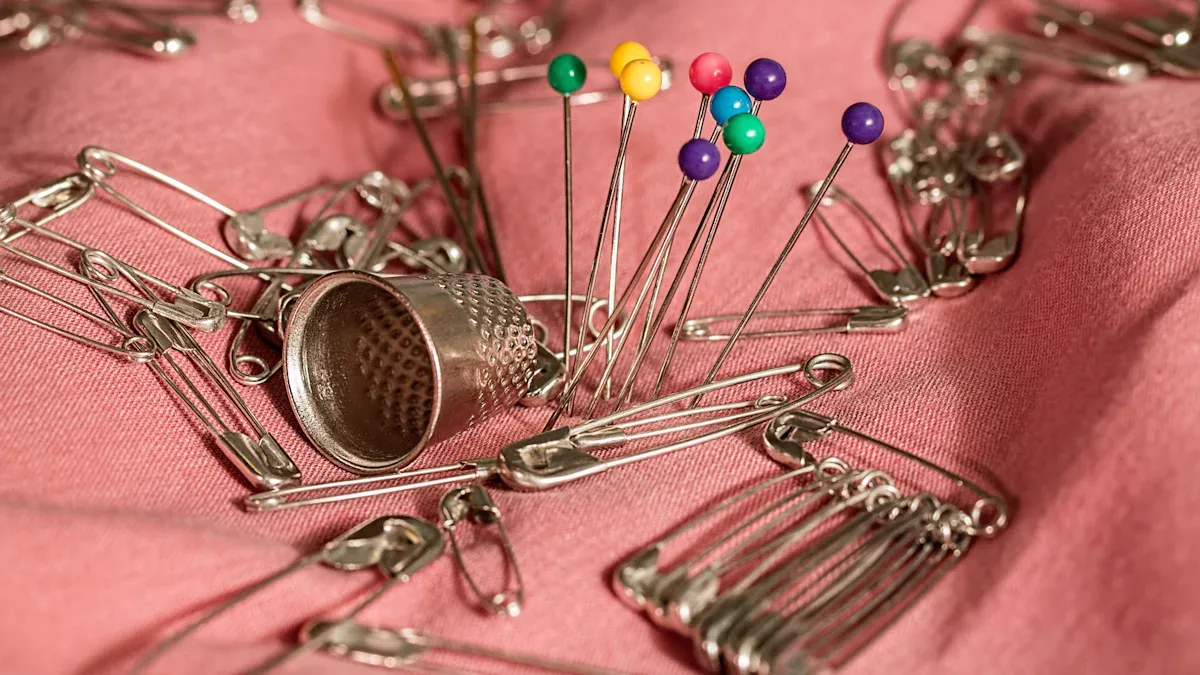
Titanium MIM technology significantly impacts the medical device industry. It provides manufacturers with the ability to produce complex, high-performance components. These components meet the stringent demands of medical applications.
Surgical Instruments and Tools
Titanium MIM offers distinct advantages for creating advanced surgical instruments. It enables the production of parts with intricate designs and superior material properties.
Minimally Invasive Surgical Components
Minimally invasive surgery relies on small, precise instruments. Titanium MIM excels at producing these tiny, complex components. Manufacturers create delicate jaws, hinges, and cutting elements for endoscopic tools. This technology allows for highly detailed designs. These designs improve surgical precision and patient outcomes.
Reusable and Disposable Instruments
The medical field uses both reusable and disposable surgical instruments. Titanium MIM supports the production of both types. For reusable instruments, it ensures high durability and resistance to repeated sterilization cycles. For disposable instruments, the process offers cost-effective mass production of complex shapes. This balance helps maintain sterile environments and manage operational costs.
Precision Surgical Robotics Parts
Surgical robotics demands extreme precision and reliability. Titanium MIM is a preferred method for manufacturing these critical parts. It excels at creating intricate and complex geometries. Other manufacturing methods often find these geometries challenging. This makes Titanium MIM ideal for detailed medical components. Parts produced via MIM exhibit strong dimensional stability. This ensures the mold’s dimensions, including parallelism, remain consistent throughout the process. The surface finish also preserves, minimizing the need for post-processing. Titanium MIM is a preferred method for manufacturing small implantable medical devices requiring tight tolerances.
💡 Tip: Titanium alloys are biocompatible. They reduce the likelihood of rejection or adverse reactions in the human body. They also resist corrosion, even in harsh bodily environments. This makes them ideal for robotic surgical tools that interact with tissues.
Titanium alloys offer a good strength-to-weight ratio. This ensures durability without adding excessive load to existing tissues. Titanium MIM parts can incorporate small and complex features. These include tiny grooves, threads, and scoring. Such features are essential for modern medical devices. The Ti-6Al-4V alloy (ASTM Grade 5) is corrosion-resistant. It has a high strength-to-mass ratio. This makes it suitable for medical devices. It is also biocompatible, making it a top choice for medical device components.
Medical Implants and Prosthetics
Titanium MIM plays a crucial role in creating advanced medical implants and prosthetics. It delivers biocompatible, strong, and lightweight solutions for patients.
Orthopedic Implants (Spinal, Joint)
Orthopedic implants require exceptional strength and biocompatibility. Titanium MIM produces various components for spinal and joint applications. These include bone reduction screws, knee implants, hip implants, femoral components, and spinal implants. Manufacturers also create hip stems, tibial trays, femoral stems, and acetabular cups using this technology. The process ensures these implants integrate well with the human body. They provide long-term support and functionality.
Dental Implants and Components
Dental implants demand high precision and corrosion resistance. Titanium MIM manufactures dental implant posts, abutments, and other small components. The technology allows for complex internal and external features. These features promote osseointegration, the fusion of the implant with bone. This leads to stable and durable dental restorations.
Craniofacial Implants
Craniofacial implants often require custom shapes to match patient anatomy. Titanium MIM enables the production of these patient-specific implants. It creates intricate geometries for facial reconstruction and skull repair. The biocompatibility of titanium ensures safe and effective integration.
Custom Prosthetic Attachments
Prosthetic devices benefit from lightweight and strong components. Titanium MIM produces custom prosthetic attachments. These attachments connect prosthetic limbs to the body. They also form articulating joints and structural elements. The ability to create complex, lightweight parts improves patient comfort and mobility.
Diagnostic and Monitoring Equipment
Titanium MIM contributes to the reliability and performance of diagnostic and monitoring devices. It provides durable and precise components for sensitive equipment.
Sensor Housings and Enclosures
Diagnostic equipment relies on accurate and protected sensors. Titanium MIM manufactures durable and sterile-friendly diagnostic device housings. These enclosures are suitable for both portable and bench-top medical devices. Sensor housings specifically protect internal components from external factors. They also ensure accurate readings. MIM components can be engineered to meet stringent hermeticity standards. This makes them suitable for critical applications like sensor housings. For high-volume production, MIM titanium parts are more economical than traditional milled titanium housings. Titanium is a non-toxic and biocompatible material. It is widely trusted for medical implants and components, including those with diagnostic functions.
Internal Device Components
Many diagnostic and monitoring devices contain small, complex internal parts. Titanium MIM produces these intricate components with high precision. Examples include connectors, brackets, and micro-gears. The strength and corrosion resistance of titanium ensure the longevity and reliability of these internal parts.
Imaging Device Parts
Imaging devices, such as MRI machines, require non-magnetic materials. Titanium’s non-magnetic properties make it ideal for components within these systems. Titanium MIM produces precise parts for imaging equipment. These parts do not interfere with magnetic fields. This ensures clear and accurate diagnostic images.
Titanium MIM in Wearable Technology
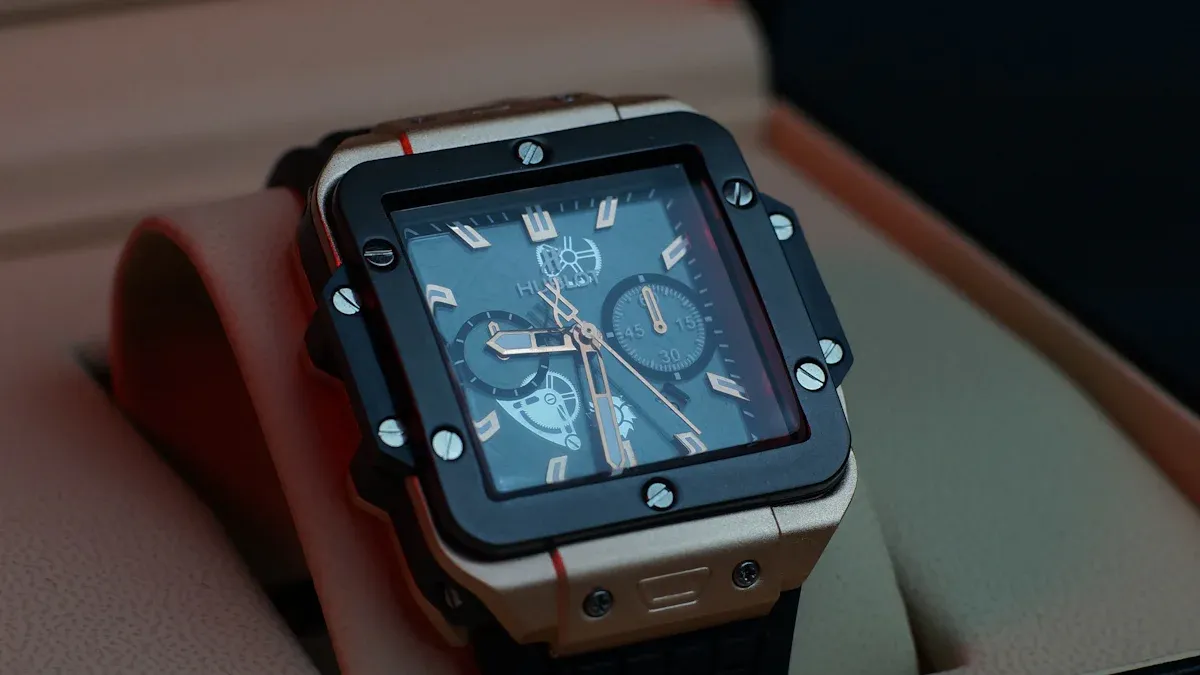
Wearable technology demands materials offering a unique combination of strength, lightness, and biocompatibility. Titanium MIM provides an ideal solution for these requirements. It enables manufacturers to create sophisticated, durable, and comfortable wearable devices.
Smart Wearables and Health Trackers
Smart wearables and health trackers have become integral to daily life. They require robust yet lightweight components. Titanium MIM meets these needs effectively.
Watch Cases and Bezels
Smartwatches benefit significantly from Titanium MIM. Manufacturers use this technology to produce watch cases and bezels. These components are both lightweight and highly durable. They resist scratches and corrosion, maintaining a premium appearance over time. The process allows for intricate designs, enhancing the aesthetic appeal of these devices. Consumers appreciate the comfortable feel of a titanium watch on their wrist.
Sensor Modules and Housings
Health trackers rely on accurate and protected sensors. Titanium MIM creates robust housings for these sensitive sensor modules. These housings shield internal electronics from environmental factors like sweat and impact. Titanium’s biocompatibility ensures safe, prolonged skin contact. This makes it perfect for devices monitoring vital signs. The precision of MIM allows for tight tolerances, crucial for sensor accuracy.
Internal Micro-Components
Miniaturization is a key trend in wearable technology. Titanium MIM excels at producing tiny, complex internal components. These micro-parts include gears, connectors, and structural elements. They enable advanced functionalities within compact device footprints. The strength of titanium ensures these small parts withstand daily wear and tear.
Advanced Prosthetic Devices
Advanced prosthetic devices aim to restore function and improve quality of life. Titanium MIM contributes significantly to their design and performance.
Lightweight Structural Components
Prosthetic limbs must be strong yet lightweight. Titanium MIM produces structural components that meet this challenge. It creates frames and supports that reduce the overall weight of the prosthetic. This enhances user comfort and reduces energy expenditure during movement. The high strength-to-weight ratio of titanium is invaluable here.
Articulating Joints and Connectors
Precision is paramount in prosthetic joints. Titanium MIM manufactures articulating joints and connectors with exceptional accuracy. These components allow for smooth, natural movement. They withstand repetitive stress, ensuring long-term durability. The ability to create complex geometries ensures optimal biomechanical function.
Custom Fit Elements
Each prosthetic user has unique anatomical requirements. Titanium MIM facilitates the creation of custom-fit elements. These components conform precisely to the individual’s body. This improves comfort, stability, and integration of the prosthetic device. Patient-specific designs enhance both function and acceptance.
Emerging Wearable Applications for Titanium MIM
The versatility of Titanium MIM continues to open new possibilities in wearable technology.
Augmented Reality Device Frames
Augmented reality (AR) glasses require lightweight, strong, and aesthetically pleasing frames. Titanium MIM can produce these intricate frames. They offer durability without adding bulk. This ensures user comfort during extended wear. The process allows for complex designs that integrate optics and electronics seamlessly.
Smart Patches and Biosensors
The future of health monitoring includes smart patches and advanced biosensors. These devices often sit directly on the skin. Titanium MIM can create miniature, biocompatible enclosures and components for these applications. It ensures the integrity of sensitive electronics. It also provides a safe interface with the human body. This enables continuous, non-invasive health data collection.
Advantages of Titanium MIM for These Industries
Design Flexibility and Complexity
Intricate Geometries and Miniaturization
Titanium MIM offers unparalleled design freedom. It enables the production of complex shapes difficult or expensive to achieve with traditional machining. This technology supports intricate designs while requiring minimal secondary processing. Manufacturers create highly detailed components for medical and wearable devices. This includes miniaturized parts essential for compact electronics and delicate surgical tools.
Consolidation of Multiple Parts
Metal Injection Molding (MIM) facilitates the integration of multiple functions into a single component. This process reduces the number of assembly steps. It also minimizes potential failure points, thereby enhancing device efficiency and reliability. MIM is particularly valuable for medical and dental devices requiring intricate designs, high precision, tight dimensional tolerances, and complex 3D geometries. This technology allows for miniaturization and the creation of parts impossible to manufacture using traditional methods.
Customization for Patient-Specific Needs
The design flexibility of Titanium MIM supports patient-specific customization. Manufacturers produce unique implants or prosthetic components tailored to individual anatomical requirements. This capability improves fit, comfort, and overall patient outcomes.
Cost-Effectiveness and Scalability with Titanium MIM
Reduced Material Waste
Titanium MIM significantly reduces material waste compared to traditional methods. Traditional machining typically wastes 30-40% of material as chips and scrap. Conversely, Titanium MIM creates parts with less than 5% material waste. This process achieves a material utilization rate of 95-98%.
High-Volume Production Efficiency
For high-volume production, specifically hundreds of thousands of pieces or more, Titanium MIM becomes more cost-effective than 3D printing. It is the dominant technology for titanium alloy in smartwatches. It enables near-net shaping of complex, micro-scale structures with high dimensional accuracy and precision. These qualities are critical for small wearable components. MIM offers integrated and cost-effective processes by providing high design control for complex geometries and achieving economies of scale.
Lower Unit Costs for Complex Parts
The efficiency of high-volume production directly translates to lower unit costs for complex parts. This makes advanced medical and wearable devices more accessible.
Enhanced Material Properties of Titanium MIM Parts
Superior Surface Finish
As-sintered Metal Injection Molding (MIM) parts typically achieve a surface finish of 1-2 μm Ra without additional finishing. A surface roughness of 1 μm is achievable for MIM parts. The MIM process generally produces parts with a good as-sintered surface finish. For specific applications requiring even finer surface finishes, post-processing techniques such as polishing or tumbling can be employed.
Consistent Mechanical Performance
Titanium MIM parts exhibit consistent mechanical performance. The controlled manufacturing process ensures uniform density and material properties throughout each component. This reliability is crucial for critical medical applications.
Improved Fatigue Resistance
The fine grain structure and high density of MIM titanium parts contribute to improved fatigue resistance. This property extends the lifespan of devices, especially those subjected to repetitive stress.
Pore-Free Parts for Better Corrosion Resistance
The sintering process in MIM produces dense, pore-free parts. This characteristic enhances corrosion resistance, a vital attribute for medical implants and devices exposed to bodily fluids.
Future Trends and Innovations in Titanium MIM
Titanium MIM technology continues to evolve. Researchers develop new materials and processes. This expansion creates exciting possibilities for medical and wearable devices.
Advancements in Titanium Alloys for MIM
New Biocompatible Alloys
The development of new biocompatible titanium alloys remains a key focus. These alloys aim to improve integration with human tissue. They also seek to reduce the risk of adverse reactions. Scientists explore novel compositions that offer enhanced biological responses. This research leads to safer and more effective implants.
Enhanced Strength and Durability
Innovations in alloy design also target increased strength and durability. Manufacturers require materials that withstand extreme conditions. These conditions include repetitive stress and harsh environments. New alloys provide superior mechanical properties. They extend the lifespan of medical devices and wearables.
Ti-6Al-4V for Biomedical Applications
Ti-6Al-4V (Grade 5) remains a cornerstone for biomedical applications. Its excellent strength, corrosion resistance, and biocompatibility make it ideal. Ongoing research optimizes its processing through MIM. This ensures even higher quality and performance for implants and surgical tools.
Integration with Additive Manufacturing
Hybrid Manufacturing Approaches
Hybrid manufacturing combines Titanium MIM with additive manufacturing (3D printing). This approach offers significant advantages. Metal 3D printing provides speed, design flexibility, and cost savings during prototyping and qualification. It reduces tooling costs for complex, high-volume parts. This method also minimizes the risk of faulty parts by allowing flexible adjustments. It facilitates concurrent process development. Manufacturers use the same MIM powder and processing conditions for experiments before building production tooling. This saves time and increases qualification speed.
Complex Part Creation
Hybrid 3D printing, which combines additive printing with MIM, enables the manufacture of more complex parts. This synergy allows for intricate geometries previously impossible to achieve. It opens doors for highly customized and functional components in both medical and wearable sectors.
Expanding Market Opportunities for Titanium MIM
Growth in Personalized Medicine
Personalized medicine drives demand for custom-made devices. Titanium MIM excels at producing patient-specific implants and prosthetics. This capability supports the trend towards tailored healthcare solutions. It improves patient outcomes and quality of life.
Demand for Advanced Wearables
The increasing demand for advanced wearables significantly influences the adoption of Titanium MIM technology. This trend creates new opportunities due to the ongoing miniaturization in electronics. The global market for titanium alloy metal injection molding (MIM) components, tailored for consumer electronics, has experienced steady growth. Production volumes expanded at a compound annual growth rate (CAGR) of approximately 7%. This reflects the industry’s shift towards miniaturization and enhanced device functionalities. The integration of titanium alloys into wearables underscores their critical role. They enable smart solutions requiring precision engineering and industry-specific innovations. Manufacturing trends focus on high-precision, complex geometries achievable through advanced MIM processes. These processes optimize material utilization and reduce waste. Industry players invest heavily in R&D to develop new alloy compositions and processing techniques. They aim to improve corrosion resistance, surface finish, and mechanical properties for these applications.
Titanium MIM plays an indispensable role in modern medical and wearable devices. This technology transforms product innovation and performance. It enables complex designs, superior material properties, and miniaturization. Titanium MIM drives the development of advanced, high-performance solutions. Its future in high-tech manufacturing appears very promising, continually expanding market opportunities and pushing boundaries.
FAQ
What is Titanium MIM?
Titanium Metal Injection Molding (MIM) combines powdered titanium with a binder. Manufacturers then inject this mixture into a mold. This process creates complex, near-net-shape parts. It offers high precision and material efficiency for intricate designs.
Why is Titanium MIM preferred for medical devices?
Titanium MIM provides exceptional biocompatibility and corrosion resistance. It also offers a high strength-to-weight ratio. These properties make it ideal for implants and surgical tools. The process ensures patient safety and device longevity.
How does Titanium MIM benefit wearable technology?
Titanium MIM produces lightweight, durable, and aesthetically pleasing components for wearables. It enables intricate designs for watch cases, sensor housings, and micro-components. This enhances device comfort, performance, and miniaturization.
Is Titanium MIM a cost-effective manufacturing method?
Yes, Titanium MIM is cost-effective for high-volume production of complex parts. It significantly reduces material waste compared to traditional machining. This process lowers unit costs, making advanced devices more accessible.
What types of medical implants utilize Titanium MIM?
Titanium MIM manufactures various medical implants. These include orthopedic implants like spinal and joint components. It also produces dental implants and craniofacial implants. The technology supports custom prosthetic attachments.
How does Titanium MIM ensure biocompatibility for medical applications?
Titanium itself possesses inherent biocompatibility. The MIM process maintains this property. It produces dense, pore-free parts. This minimizes potential adverse reactions within the human body. Manufacturers adhere to strict ISO standards for testing.
💡 Tip: The inherent properties of titanium, combined with the precision of MIM, create components that integrate safely and effectively with biological systems.
What future trends will impact Titanium MIM in these industries?
Future trends include new biocompatible alloy development and hybrid manufacturing with 3D printing. These innovations will expand market opportunities. They will support personalized medicine and advanced wearable demand.