

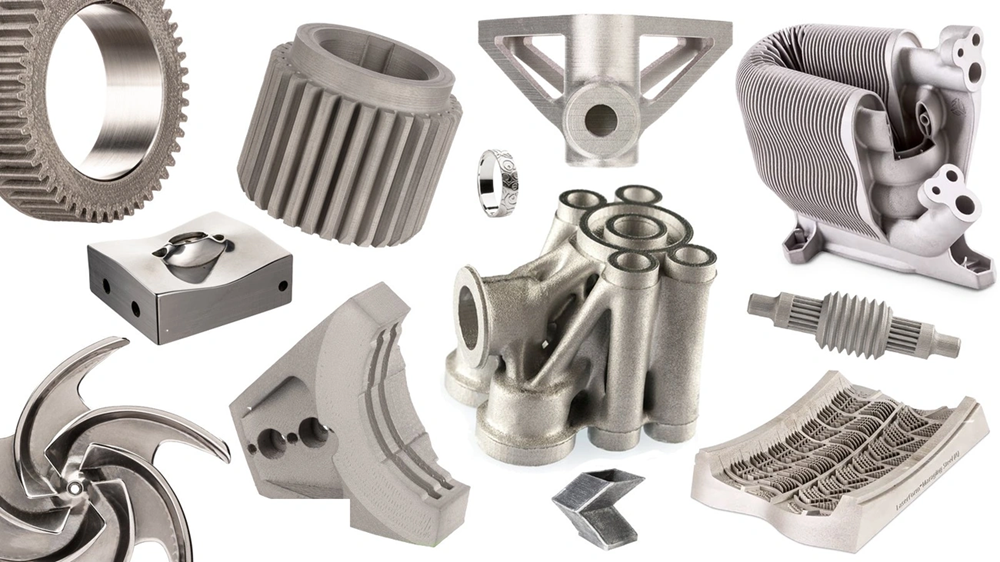
The weight difference between aluminum and stainless steel dramatically impacts their use in 3D printing. Aluminum’s density of 2.7 g/cm³ makes it almost three times lighter than stainless steel. Engineers must evaluate this and other factors to select the right materials for their metal printing 3D projects.
Both materials offer unique advantages in metal 3D printing. Aluminum costs about 30% less than stainless steel and provides excellent weight benefits. Stainless steel delivers high strength and superior corrosion resistance. Aluminum’s melting point of 660°C compared to steel’s 1,400°C leads to reduced energy consumption. Material choice affects the project’s structural integrity and production expenses. A metal 3D printer requires substantial investment, as equipment costs can reach hundreds of thousands of dollars.
These metals prove effective in additive manufacturing processes. Selective Laser Melting (SLM) technology processes metal powders precisely by melting them at high temperatures to create detailed parts. This piece helps you choose between aluminum alloys and stainless steel based on your project’s specific needs.
Core Material Science: What Sets Aluminum and Stainless Steel Apart
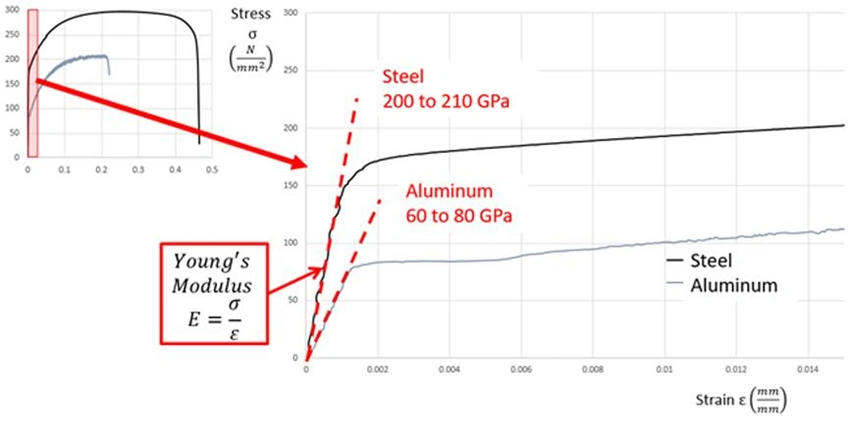
The atomic-level differences between aluminum and stainless steel substantially change how these metals behave in 3D printing applications. These variations affect their suitability for different metal printing uses.
Atomic Structure and Alloy Composition
Steel combines iron and carbon as an alloy, while aluminum works in pure form but performs better as an alloy. The addition of more than 10.5% chromium gives stainless steel its corrosion resistance. Metal 3D printing commonly uses aluminum alloys like 2024, 5052, 6061, and 7075. Different tempers modifies these alloys to achieve specific properties. Stainless steel offers many more variants, which follow AISI and ASTM designations. You’ll find austenitic stainless steel typically contains 16% chromium and 6% nickel.
Thermal Expansion and Conductivity
Thermal behavior plays a vital role in determining which metals work best for 3D printing. Aluminum conducts heat exceptionally well with a thermal conductivity of 205 W/m·K. This conductivity is nowhere near stainless steel’s lower range of 16-30 W/m·K. On top of that, aluminum expands almost twice as much as steel under similar temperature changes. The linear thermal expansion coefficient shows 21-24 × 10⁻⁶/°C for aluminum versus 11-13 × 10⁻⁶/°C for steel. These expansion differences create unique challenges during metal 3D printing, especially with dimensional accuracy and internal stresses.
Oxidation Behavior and Surface Passivation
Both metals protect themselves through oxide layers, but use different mechanisms. Aluminum creates an oxide layer when exposed to oxygen that acts like protective armor against corrosion. Stainless steel develops a chromium oxide layer to prevent oxidation. Metal 3D printer applications that need better surface properties use passivation – a chemical treatment that creates a thin, non-reactive oxide layer. This boosts corrosion resistance without changing dimensions. The process works particularly well for stainless steel parts in aerospace, medical, and automotive applications where durability matters most.
Compatibility with Metal 3D Printing Technologies
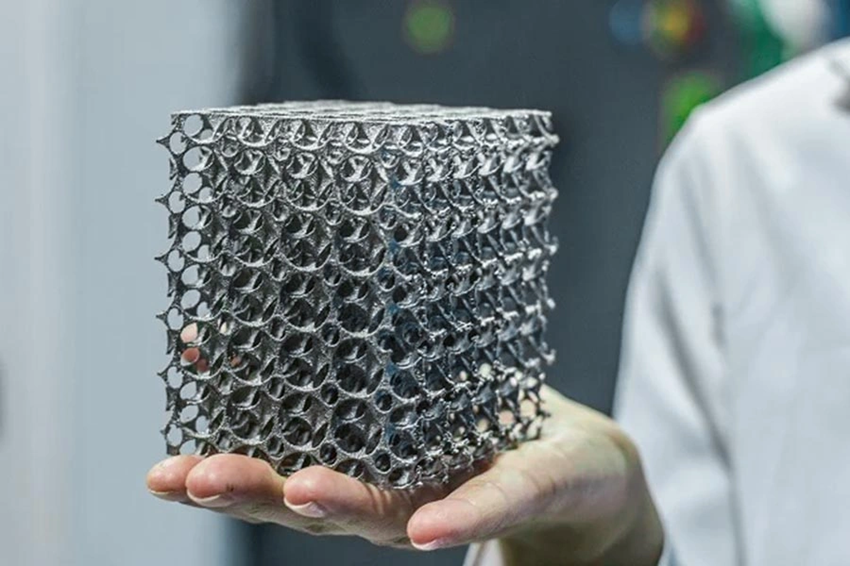
The way metal 3D printing technologies handle stainless steel versus aluminum makes a big difference in both material choice and the final properties of printed parts.
Can Steel Be 3D Printed? Yes, with DMLS and SLM
Direct Metal Laser Sintering (DMLS) and Selective Laser Melting (SLM) work well with stainless steel powders. SLM delivers excellent results with pure, high-strength metals, including stainless steel, and creates parts with density levels above 99%. DMLS has found its place in medical implants and dental applications, making complex shapes that traditional manufacturing just can’t achieve.
Aluminum Alloys in SLM: AlSi10Mg and Al2139
AlSi10Mg leads the pack as the most popular aluminum alloy in metal 3D printing. It welds well and creates a stable melt pool during the SLM process. When you need more strength, Al2139 AM steps up to the plate. It performs remarkably at temperatures up to 200°C, with yield and tensile strength around 500 MPa after heat treatment. MIT engineers have developed a new aluminum alloy that’s five times stronger than conventional aluminum.
Challenges in Printing: Cracking vs Warping
Stainless steel prints tend to develop residual stresses that need careful print orientation and support structures. Aluminum handles complex geometries better and allows thinner walls (down to 0.8 mm), but it’s highly reactive and faces oxidation challenges. Alloys like Al7075 used to crack during printing until scientists developed nanoparticle additives. Both materials need controlled heating and cooling to avoid deformation.
Binder Jetting and Other Emerging Methods
Binder jetting offers a faster alternative to laser-based methods. Parts come out up to 100 times faster than laser powder bed fusion systems. The process doesn’t need support structures, so parts can be nested closely together. This maximizes production volume and cuts per-part costs. Parts from the furnace come out fully dense and show equal strength in all directions, unlike some laser-processed components.
Performance in Real-World Applications
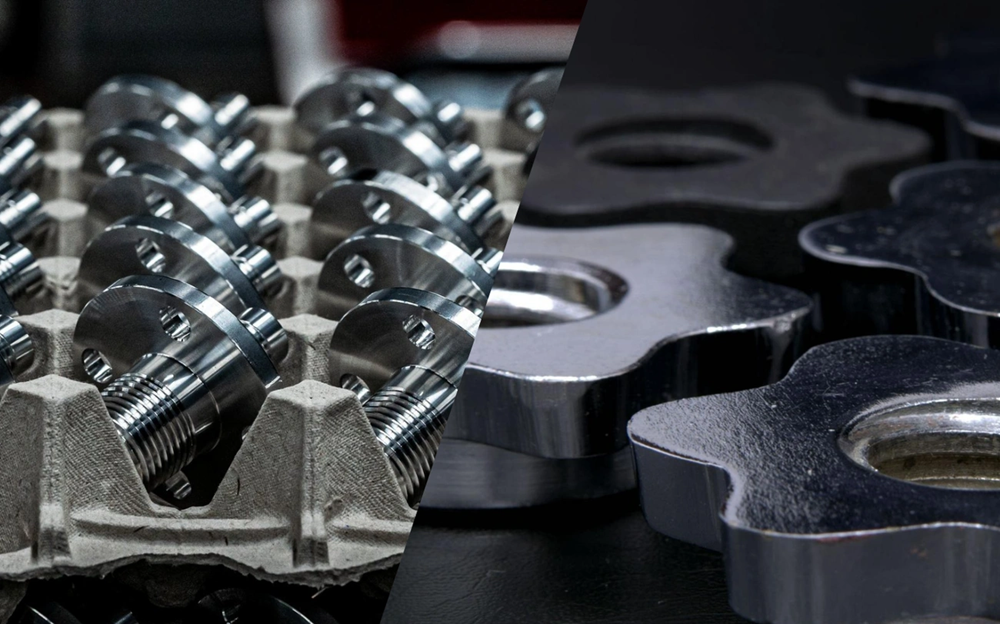
The benefits of 3D-printed metals become clear when we examine their performance in a variety of industrial settings.
Mechanical Load-Bearing: Steel’s Edge
Stainless steel dominates load-bearing applications thanks to its impressive strength. Steel can handle pulling forces of 400-500 MPa, while aluminum manages just 90 MPa. With a yield strength of about 250 MPa compared to aluminum’s 40 MPa, steel proves perfect for structures that need exceptional durability under stress.
Lightweight Design: Aluminum’s Role in Aerospace
Aluminum shines in aerospace applications because of its outstanding strength-to-weight ratio. The AlSi10Mg aluminum alloy helps create complex aerospace parts where reducing weight matters most. MIT researchers have achieved a breakthrough with a 3D-printable aluminum alloy that’s five times stronger than traditional aluminum. This discovery could transform how we produce aircraft parts.
Heat Resistance: Steel in Engines vs Aluminum in Electronics
Stainless steel keeps its structural integrity at temperatures up to 550°C, which makes it perfect for engine components. Aluminum, on the other hand, works best in electronics cooling. 3D-printed aluminum heat pipes help keep LED temperatures under 40°C, which means longer-lasting electronics through better heat management.
Wear and Tear: Industrial vs Consumer Use
U.S. Army researchers have developed sensors to track 3D-printed metal parts and predict when they need replacement. This breakthrough matters because 3D-printed components usually have structural imperfections that affect their lifespan compared to traditionally manufactured parts.
Choosing the Right Metal for Your Project
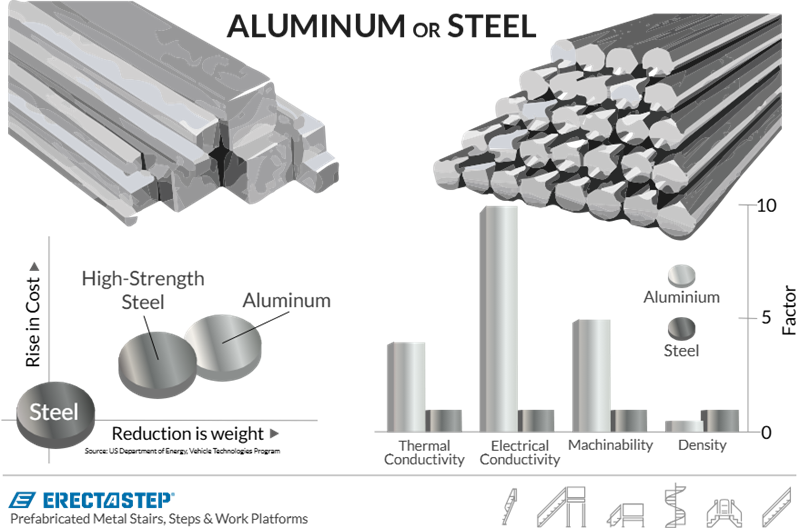
The success of additive manufacturing projects depends on careful metal selection based on several key factors. We selected materials based on specific project needs rather than assuming one metal works better than another.
Budget Constraints and Production Volume
Material costs kick off the budget discussion—aluminum powder costs 30% less than stainless steel. The lower melting point of aluminum (660°C) compared to steel’s 1,400°C leads to significant energy savings. DMLS/SLM processes typically cost $5,000-$10,000 per part, including finishing. Binder jetting and metal extrusion can cut these costs by 5-10 times. Metal 3D printing doesn’t get cheaper at scale—the price per unit stays almost the same regardless of quantity.
Design Complexity and Customization Needs
3D printing shines with complex designs that traditional manufacturing can’t handle. Aluminum works great with thin walls down to 0.8mm and complex shapes that create less thermal stress. Stainless steel needs careful print orientation and strong support structures.The beauty of metal 3D printing lies in its cost-neutral complexity—you can create complete pieces in one go without assembly costs.
Post-Processing Capabilities and Time
Post-processing makes up about 27% of metal AM printing costs. Aluminum is easier to work with—you can machine, polish, or anodize it with less effort. Stainless steel needs more work, including stress relief, machining, and surface finishing. CNC machining can boost tolerances from ±0.003 in. to ±0.001 in., while surface finish improves from 200-400 μin Ra to 63 μin Ra.
Environmental Conditions and Lifespan
Austenitic stainless steel lasts longer than aluminum and carbon steel in rain or salt spray conditions. Aluminum creates a protective oxide layer but can’t handle abrasion and certain salts well. Stainless steel’s durability makes it ideal for outdoor applications by reducing replacement needs. The right material choice matched to operating conditions will give reliable performance throughout the part’s service life.
Comparison Table
| Characteristic | Stainless Steel | Aluminum |
|---|---|---|
| Density | ~3x heavier than aluminum | 2.7 g/cm³ |
| Melting Point | ~1,400°C | 660°C |
| Thermal Conductivity | 16-30 W/m·K | 205 W/m·K |
| Thermal Expansion Coefficient | 11-13 × 10⁻⁶/°C | 21-24 × 10⁻⁶/°C |
| Yield Strength | ~250 MPa | ~40 MPa |
| Tensile Strength | 400-500 MPa | 90 MPa |
| Cost | ~30% more expensive than aluminum | ~30% less than steel |
| Minimum Wall Thickness | Not specified | Down to 0.8 mm |
| Corrosion Resistance | Excellent (>10.5% chromium) | Good (forms aluminum oxide layer) |
| Common Applications | Medical implants, dental applications, engine components | Aerospace components, electronics cooling, lightweight structures |
| Post-Processing Needs | Substantial (stress relief, machining, surface finishing) | Basic (easier to machine, polish, anodize) |
| Temperature Resistance | Up to 550°C | Not specified |
| Compatible Print Technologies | DMLS, SLM, Binder Jetting | SLM, Binder Jetting |
| Common Challenges | Residual stresses, needs careful print orientation | Oxidation issues, high reactivity |
Conclusion
Stainless steel and aluminum each bring their own advantages to the 3D printing world. These metals differ in more ways than just weight, though aluminum weighs three times less than steel. Their distinct features in heat conduction, strength, and rust resistance change how projects turn out.
You’ll want stainless steel when you need something tough that can handle heavy loads. Steel’s yield strength hits around 250 MPa, while aluminum only reaches 40 MPa. This makes steel the go-to choice for parts that need to handle mechanical stress. Steel also keeps its strength at temperatures up to 550°C, which works great for engine components and medical implants.
Aluminum shines when weight matters most. It costs about 30% less than stainless steel and needs less energy to print because it melts at a lower temperature. The aerospace industry loves aluminum alloys because they’re both strong and light. These alloys can create complex shapes with walls as thin as 0.8 mm.
Each material comes with its own printing challenges. Steel builds up internal stress that needs careful planning for orientation and supports. Aluminum can oxidize quickly because it’s highly reactive. The finishing work differs too – aluminum needs less work after printing compared to steel’s demanding treatment requirements.
The best material choice depends on what you’re trying to build. Your budget, design complexity, environment, and intended use all play key roles in this decision. Engineers need to balance these factors against each metal’s properties to pick the right one for their project.
Both materials have an exciting future in metal 3D printing. MIT’s new aluminum alloy, which is five times stronger than before, shows how this field keeps advancing. Smart manufacturers will keep track of new technologies and material improvements to get the most from their metal 3D printing, no matter which material they prefer.
Key Takeaways
Understanding the fundamental differences between stainless steel and aluminum helps engineers make informed decisions for metal 3D printing projects based on specific performance requirements and constraints.
• Stainless steel excels in strength applications with 250 MPa yield strength versus aluminum’s 40 MPa, making it ideal for load-bearing components and high-temperature environments up to 550°C.
• Aluminum offers significant cost and weight advantages – 30% cheaper than steel and three times lighter, with superior thermal conductivity (205 W/m·K) perfect for aerospace and electronics cooling applications.
• Material selection depends on project priorities – choose steel for durability and mechanical stress resistance, aluminum for weight-critical designs and complex geometries with walls down to 0.8mm.
• Post-processing requirements differ substantially – aluminum needs simpler finishing (machining, polishing, anodizing) while stainless steel demands extensive treatments including stress relief and surface finishing.
• Both metals work with modern 3D printing technologies like SLM and DMLS, but aluminum’s lower melting point (660°C vs 1,400°C) reduces energy consumption and printing complexity.
The key is matching material properties to your specific application requirements – whether prioritizing strength, weight, cost, or environmental resistance – rather than assuming one metal is universally superior.
FAQs
Q1. How does the strength of 3D printed metal parts compare to traditionally manufactured metal parts?
3D printed metal parts can achieve strengths comparable to traditionally manufactured parts, but may have some differences in properties like ductility and fatigue resistance. The exact performance depends on factors like the specific printing process, post-processing, and part geometry.
Q2. What are the main advantages of metal 3D printing over traditional manufacturing methods?
Metal 3D printing allows for complex geometries, customization, and rapid prototyping that may be difficult or impossible with traditional methods. It can also reduce material waste and enable on-demand production of parts.
Q3. What safety precautions are necessary when working with metal 3D printing?
Metal 3D printing, especially powder-based processes, requires careful safety measures. These include proper ventilation, protective equipment for handling powders, and precautions against fire and explosion risks. Professional-grade setups often need specialized facilities and training.
Q4. How do aluminum and stainless steel compare as materials for metal 3D printing?
Aluminum is lighter and has better thermal conductivity, making it ideal for aerospace and heat management applications. Stainless steel offers higher strength and corrosion resistance, suitable for load-bearing and harsh environment uses. The choice depends on the specific application requirements.
Q5. What post-processing steps are typically required for metal 3D printed parts?
Common post-processing steps include heat treatment to relieve internal stresses, machining to improve surface finish and dimensional accuracy, and in some cases hot isostatic pressing (HIP) to reduce porosity. The exact steps depend on the printing method and desired final properties.