

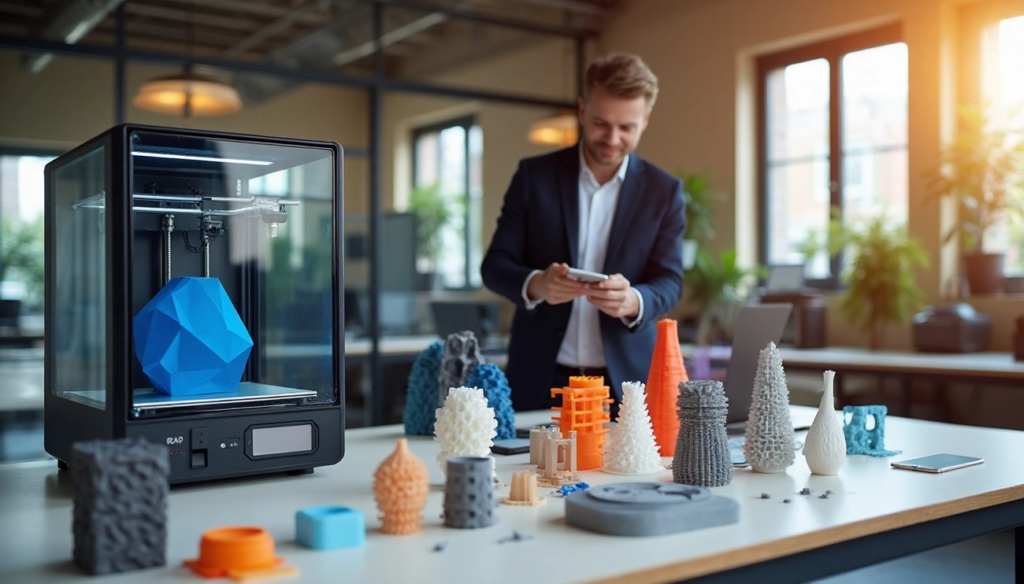
The 3D printing business landscape shows incredible promise in 2025. The global industry reached $20.37 billion in 2023, and experts project it to hit $88.28 billion by 2030. This remarkable growth averaged 25% annually over the last several years. Many entrepreneurs now ask if this market presents a smart business opportunity.
Starting a 3D printing business requires careful thought about several key factors. The initial investment ranges from $2,000 to $10,000 or more, but the returns can be substantial. Custom 3D prints can fetch up to $1,000 in some cases. Around 65% of the market’s demand comes from engineers who develop industrial, electrical, or consumer goods. This creates specific 3D printing business opportunities worth learning about. The technology has matured enough to affect many industries positively. Small operations can now access it more easily, too. Business owners want to know if 3D printing makes a viable venture and what kind of revenue it generates in today’s market.
This piece dives into the value of starting a 3D printing business in 2025. It analyzes current market trends, potential benefits, challenges, and promising opportunities for entrepreneurs in this growing field.
Is the 3D printing market still growing in 2025?
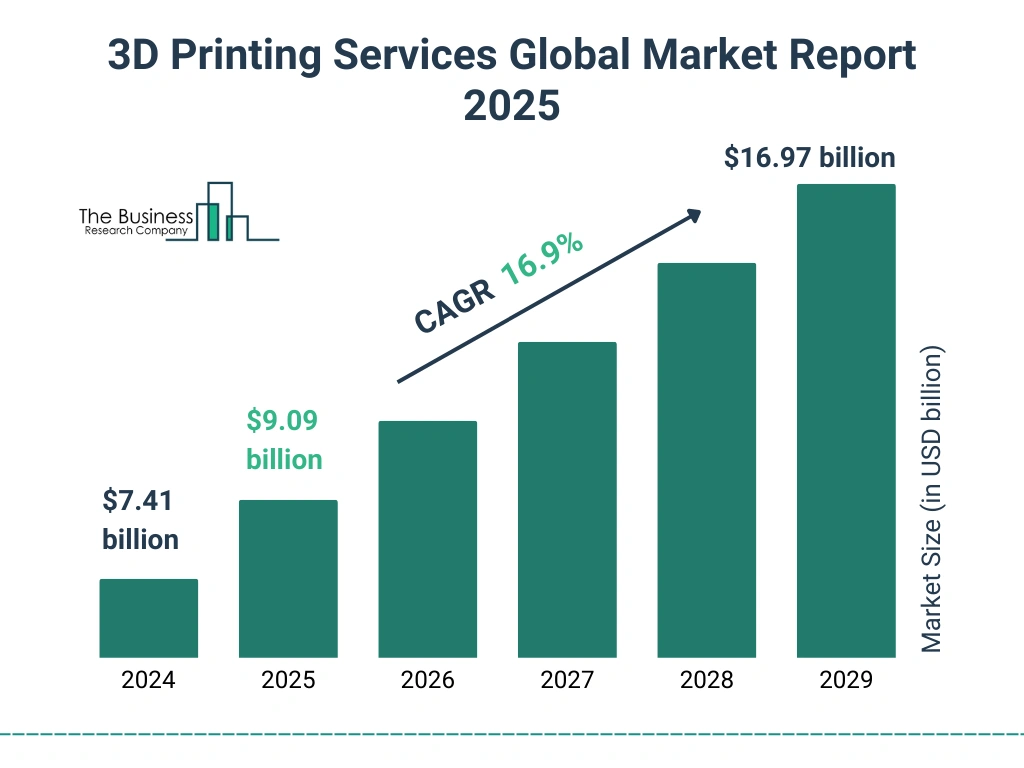
The 3D printing industry keeps growing steadily in 2025, and experts project major expansion over the next decade. This growth creates many chances for entrepreneurs who want to start their own 3D printing business.
Global market size and projections
The global 3D printing market is expected to hit an impressive USD 29.29 billion in 2025, up from USD 24.61 billion in 2024. Market forecasts show dramatic expansion to USD 134.58 billion by 2034, with a compound annual growth rate (CAGR) of 18.52%. This growth rate shows how companies of all sizes are adopting additive manufacturing technologies. A remarkable 70% of businesses made more printed parts in 2023 than in 2022, which proves the industry’s strong momentum.
Industries adopting 3D printing
The automotive sector leads the pack with more than 25% of revenue share in 2024. Aerospace, healthcare, and manufacturing have also jumped on board. Aerospace companies were among the first to use 3D printing technology because they could create lightweight parts that cut fuel costs by a lot. Healthcare professionals now use 3D printing for everything from dental prostheses to custom implants. About 21% of businesses use 3D printing for end-use parts—up from 20% in 2022.
Why small businesses are paying attention
Small businesses flock to 3D printing technology, and with good reason, too. Desktop 3D printers have evolved from hobbyist tools into real production equipment for small operations. On top of that, it lets businesses create custom, low-volume tooling and fixtures at a fraction of traditional costs. Small companies find that 3D printing gives them more design flexibility and lower production costs. They can now deliver better products at reasonable prices while keeping competitive margins.
The change from testing to actual implementation stands out—51% of manufacturers now use 3D printing for both prototypes and final products, compared to just 35% two years ago. These numbers show why 3D printing is a great business opportunity for entrepreneurs at every level.
What are the real benefits of 3D printing for businesses?
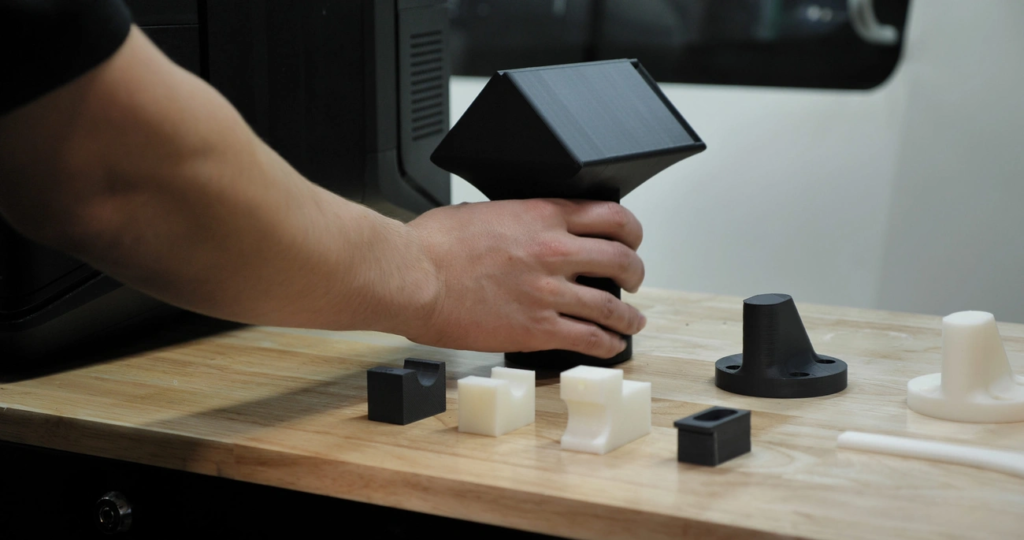
3D printing technology gives businesses several competitive advantages that directly affect their profits. These benefits create real value in operations of all sizes, from speeding up product development to optimizing inventory.
Faster prototyping and product development
3D printing produces prototypes at speeds unmatched in manufacturing. Companies can turn digital designs into physical models within hours instead of weeks, which substantially cuts development cycles. This quick iteration lets businesses test, refine, and perfect designs without traditional manufacturing delays. Many companies report their production time dropped by 40% for new products after they started using 3D printing. Time savings help businesses keep up with trends by launching products faster while maintaining quality.
Customization without high costs
3D printing revolutionizes product customization economics. Traditional manufacturing needs expensive tooling for each design variation, but 3D printing allows:
- Tailored items at nearly the same cost
- Complex shapes without extra expenses
- Single-piece printing instead of multiple assembly parts
A manufacturer created custom earbuds at half the price of existing market solutions. Businesses can now offer products that match customer needs exactly without the usual high customization costs.
Reduced waste and material efficiency
3D printing’s additive approach uses just the material needed, unlike subtractive methods that cut away excess material. This method cuts production waste by up to 90% in some cases. On top of that, it works with recycled filaments or biodegradable materials from renewable sources like corn or sugarcane. These environmental benefits lead to lower carbon emissions throughout the product’s life.
On-demand production and inventory control
On-demand manufacturing transforms traditional inventory approaches. Businesses produce items exactly when needed instead of keeping large stocks. This approach cuts warehouse costs, reduces outdated inventory risks, and improves cash flow. Digital inventory systems help companies need much less storage space. Local manufacturing becomes possible, which makes supply chains more resilient and reduces dependence on international suppliers.
What are the challenges and limitations to consider?
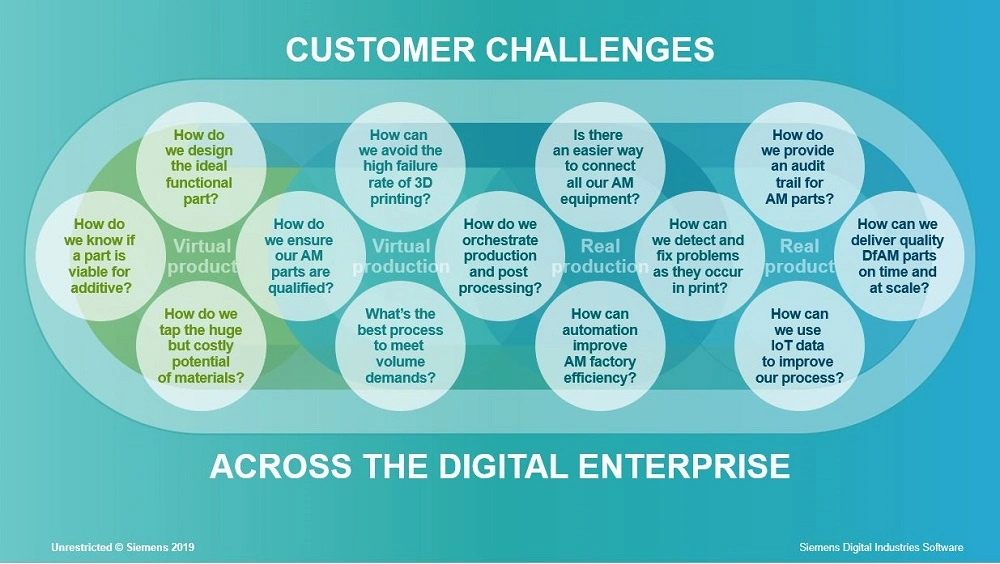
The 3D printing market shows great promise, but business owners must assess several challenges before they invest in this technology. A clear understanding of these limitations will help entrepreneurs create realistic business plans and avoid surprises that can get pricey.
High initial investment and maintenance
Starting a 3D printing business needs substantial upfront capital. Entry-level 3D printers cost between USD 200-500. Professional-grade machines range from USD 500-1,500, and high-end industrial printers cost more than USD 2,000. The printer’s cost is just the beginning. Entrepreneurs must plan for ongoing expenses that include materials, replacement parts, and professional repairs costing USD 100-300 per service call. The yearly maintenance runs between USD 20-200 based on the printer’s complexity and how often it’s used. The costs climb higher with specialized software licenses and post-processing equipment.
Learning curve and technical skills
3D printers require specialized expertise that’s sort of hard to get one’s arms around. The technology has a steep learning curve that covers design software proficiency, material selection knowledge, and printer operation skills. New users find mastering Computer-Aided Design (CAD) particularly challenging. People typically need at least a year of dedicated practice to become proficient, with extra time needed for engineering applications. Many businesses must invest in third-party training for their teams since higher education institutions have just started adding additive manufacturing to their curriculums.
Material limitations and quality control
The technology has made strides, but 3D printing still faces material constraints. The process works with many polymers and some metals, but can’t handle thousands of alloys and compounds used in traditional manufacturing. Materials don’t come cheap – filament spools cost USD 30-60 per kilogram and resins run USD 30-100 per liter. Quality control presents another major challenge as 3D printers don’t deal very well with consistent dimensional accuracy. Batch-to-batch variations make quality testing more complicated.
Legal and intellectual property concerns
3D printing’s digital nature creates complex intellectual property issues. Digital files make it easy to copy copyrighted designs or patented products without permission. Copyright violations can lead to statutory damages between USD 750-30,000 per work. Enforcement becomes tricky because production happens in many scattered locations instead of central facilities. Patent enforcement faces similar hurdles, especially since courts might not legally consider 3D model files as “components” of patented products.
Where are the best 3D printing business opportunities in 2025?
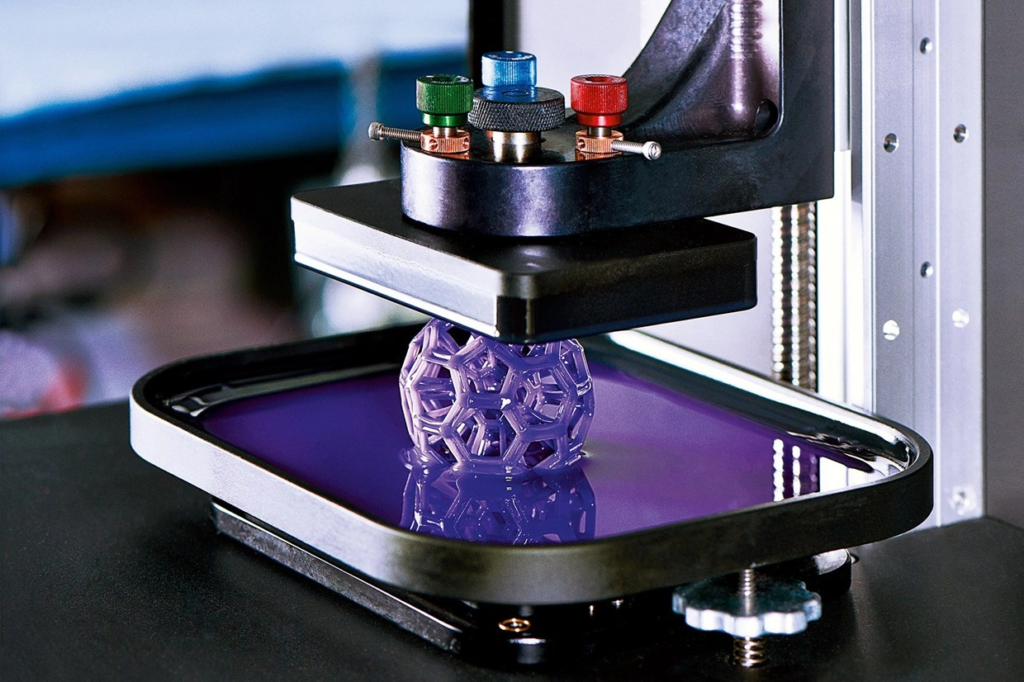
Anyone learning about 3D printing as a business will find several profitable niches in 2025’s market. This technology’s flexibility helps address specific market needs.
Prototyping services for startups
Prototyping services are one of the most available ways to start a 3D printing business. Startups in technology, fashion, and consumer goods sectors just need quick, affordable models to test ideas or showcase new products. Quick turnaround times and affordable solutions allow service providers to offer competitive prices and maintain healthy profit margins. New entrepreneurs can reduce months of development time to just days and cut prototyping costs by up to 80%.
Custom consumer products (toys, jewelry, phone cases)
The market for tailored goods keeps growing. These products generate substantial interest:
- Custom phone cases (market expected to reach USD 283.66 billion by 2025)
- Fashion items, including eyeglasses, watches, and statement jewelry
- Unique, one-of-a-kind accessories with tailored patterns and textures
Many customers don’t find phone cases that make their devices feel special, especially when they have less popular models. This gap gives 3D printing businesses a chance to meet unmet customer needs.
3D printing for healthcare and prosthetics
Healthcare applications show great growth potential. Custom prosthetics help solve real problems like limited access to conventional devices. Open-source designs for upper-limb prosthetics have helped patients worldwide, especially when you have pediatric patients. Traditional prosthetics cost between USD 1,500-8,000, but 3D-printed alternatives are nowhere near as expensive and take as little as one day to produce.
On-demand parts for repair and maintenance
On-demand manufacturing services help clients create end-use parts that boost production throughput. This business model works well because 3D printing offers high accuracy and consistency. Companies can create production quantities of discrete or customized parts efficiently.
Educational kits and robotics components
Educational markets provide growing chances through STEM curriculum support. Companies now offer standards-driven lesson plans with 3D-printable manipulatives designed specifically for classrooms. These educational products save up to 90% in costs. A hominid skull set that normally costs USD 1,000+ can be printed for less than USD 20.
Conclusion
The 3D printing business world shows some remarkable trends. The market keeps growing at an impressive pace, and experts predict it will hit USD 134.58 billion by 2034, with growth rates soaring past 18%. This boom creates plenty of opportunities for entrepreneurs in a variety of sectors.
3D printing comes with amazing business benefits, even though there are challenges like high startup costs and technical hurdles to overcome. Product development moves faster through quick prototyping, and businesses can deliver customized products that customers want. The technology also wastes much less material than old-school manufacturing methods.
Business owners should weigh these advantages against some real challenges. High original investments, regular maintenance costs, and material limitations need careful thought. Notwithstanding that, businesses using 3D printing report better efficiency and new capabilities.
Specialized niches show more promise than general printing services. The market shows strong interest in startup prototyping, custom products, healthcare solutions, on-demand parts, and educational materials. These areas are great business models with proven customer interest.
New entrepreneurs should focus on meeting specific market needs instead of offering general services. People who pick the right niche, buy quality equipment, and build specialized knowledge can benefit by a lot from this game-changing technology.
3D printing is more than just another way to make things. It’s a completely new approach to creating products that has altered the map of many industries. While it might not work for every business, forward-thinking entrepreneurs looking for growth opportunities in 2025 and beyond should give it serious thought.
Key Takeaways
The 3D printing industry presents compelling business opportunities in 2025, with the market projected to reach $134.58 billion by 2034. Here are the essential insights for entrepreneurs considering this venture:
• Market growth remains robust: The global 3D printing market is expanding at 18.52% annually, with 70% of businesses printing more parts in 2023 than in 2022.
• Focus on specialized niches for success: Profitable opportunities exist in prototyping services, custom consumer products, healthcare prosthetics, and on-demand parts manufacturing.
• Expect significant upfront investment: Professional-grade equipment costs $500-$1,500+, with annual maintenance expenses of $20-$200 and a steep learning curve requiring dedicated training.
• Leverage key competitive advantages: 3D printing enables 40% faster product development, 90% waste reduction, and cost-effective customization without expensive tooling.
• Target high-demand sectors: Healthcare applications offer substantial growth potential, while educational markets can achieve up to 90% cost savings on traditional products.
Success in 3D printing business depends on identifying specific market needs rather than competing as a general service provider. Entrepreneurs who invest in quality equipment, develop specialized expertise, and choose the right niche can capitalize on this transformative technology’s continued expansion across industries.
FAQs
Q1. Is 3D printing a profitable business venture in 2025? 3D printing can be profitable, with the global market projected to reach $134.58 billion by 2034. However, success depends on identifying specific market needs, investing in quality equipment, and developing specialized expertise in high-demand sectors like healthcare, custom consumer products, or prototyping services.
Q2. What are the main challenges of starting a 3D printing business? The primary challenges include high initial investment costs for equipment and materials, a steep learning curve requiring technical skills, ongoing maintenance expenses, and potential legal issues related to intellectual property. Additionally, quality control and material limitations can pose difficulties for new businesses.
Q3. How does 3D printing benefit businesses compared to traditional manufacturing? 3D printing offers several advantages, including faster prototyping and product development (up to 40% reduction in production time), cost-effective customization without expensive tooling, reduced waste (up to 90% in some applications), and on-demand production that optimizes inventory control and enhances supply chain resilience.
Q4. Which industries are adopting 3D printing technology the most? The automotive sector leads in adoption, capturing over 25% of the revenue share. Other prominent industries embracing 3D printing include aerospace, healthcare, and manufacturing. Small businesses across various sectors are also increasingly utilizing the technology for prototyping, custom products, and on-demand parts production.
Q5. What are some promising 3D printing business opportunities in 2025? Promising opportunities include prototyping services for startups, custom consumer products (like phone cases and jewelry), healthcare applications (especially prosthetics), on-demand parts for repair and maintenance, and educational kits and robotics components. These niches leverage 3D printing’s flexibility while addressing specific market demands.